


DVS Home Ventilation Systems
Invest in Your Family’s Health with a DVS Home Ventilation System
Fresh Ventilation are proud to bring DVS home ventilation systems to the Australian market. With more than three decades of experience, DVS have built a reputation for class-leading innovation and technologically advanced systems that make homes healthier, drier, and more comfortable to live in.
The Heart of a Healthy Home
Dusting, vacuuming, and regular cleaning all help a home feel healthy, but one critical element is often overlooked — ventilation. Ventilation sits at the very heart of a healthy home, quietly working in the background to manage moisture, improve air quality, and support your family’s wellbeing.
DVS home ventilation systems are designed to gently and continuously introduce fresh, dry, filtered air into the living areas of your home, either from the roof space or directly from outside. By doing so, they help dilute and remove stale, moisture-laden air that can otherwise lead to condensation, mould, and poor indoor air quality.
Within the DVS range are both positive pressure ventilation systems, which create a slight positive pressure inside the home to push out stale air, and balanced pressure heat or energy recovery ventilation systems (HRV/ERV), which supply fresh air while simultaneously extracting stale air from wet areas such as kitchens and bathrooms. In heat recovery systems, warmth from the outgoing air is transferred to the incoming fresh air via a high-efficiency European counterflow heat exchanger, improving comfort and energy efficiency.

All DVS home ventilation systems use advanced technologies such as high-efficiency EC motors and intelligent controls to operate quietly, efficiently, and responsively. By reducing excess moisture, they significantly help prevent issues such as condensation on windows, mould, and mildew — common triggers for asthma and allergies. In winter, when homes are sealed up and heating is in use, a DVS system plays a vital role in maintaining healthy air circulation and removing damp, moisture-filled air.
Once installed, a DVS ventilation system costs from as little as eight cents per day to run, making it a smart investment not only in your family’s health but also in the long-term condition and value of your home.
A Premium, Future-Ready Ventilation Range

Why Choose DVS?
DVS home ventilation systems are among the most advanced available in Australia, offering a level of intelligence and flexibility that sets them apart:
- Manufactured in New Zealand
- German-made EC motors by ebm-papst
- Intuitive touchscreen controller with Wi-Fi connectivity
- Future-proof automatic firmware updates
- Temperature sensors in every fan, allowing independent operation
- Humidity sensors in every fan for responsive moisture control
- Optional CO₂ sensors that automatically increase ventilation when needed
- External temperature sensing when summer ventilation is installed
- Seven-day data logging of temperature, humidity, CO₂ levels, and fan speeds
- Clever add-on upgrades more advanced than anything else on the Australian market
- Custom Logic programming for near-endless system customisation to suit your home
- Custom-moulded DVS diffusers designed specifically for ventilation and visual appeal
- Five-year warranty, backed by DVS on the product and by Fresh Ventilation on installation
In the sections that follow, we’ll take a closer look at each DVS system in detail to help you choose the right solution for your home.

DVS EC Premium Connect

How the System Works
At the core of the system is a high-quality German-made EC fan motor by ebm-papst, delivering quiet, energy-efficient, and reliable performance. The system draws drier, fresher air from the roof space or from outside the home and passes it through a high-efficiency air filter, tested to international standards.
The filtered air is then gently supplied into the home via DVS patented ceiling diffusers, designed specifically for even air distribution. The air is directed along the ceiling, where it mixes naturally with warmer air and spreads evenly throughout the living areas. In simple terms: fresh air in, stale air out.
Intelligent Sensing and Automatic Control
Humidity Sensing
The system continuously monitors humidity levels both inside the home and in the incoming air supply. It automatically adjusts operation to ensure ventilation only occurs when it will actively make the home drier and healthier.
CO₂ Sensing
Closed windows can trap carbon dioxide and other contaminants, leading to fatigue, poor sleep, and reduced concentration. The DVS EC Premium Connect includes a wireless CO₂ sensor that constantly measures indoor CO₂ levels. When levels rise above healthy thresholds, the system automatically increases fresh air delivery.
Up to four wireless CO₂ sensors can be positioned throughout the home for targeted monitoring.
Temperature Sensing
The system compares the temperature of the supply air with the air inside your home. When warmer air is available, the system makes use of that free warmth. When the supply air is cooler — such as during winter evenings — the fan speed can be reduced to maintain comfort while still providing background ventilation. The responsiveness of the system can be adjusted to suit your personal preferences.
Simple, Intuitive Control
The DVS EC Premium Connect features a large, easy-to-read touchscreen controller, allowing you to see exactly what your system is doing at a glance. Each system is professionally configured and calibrated to suit the size and layout of your home, operating automatically day-to-day.
If you wish, you can:
- Fine-tune airflow rates
- Adjust control settings
- Activate Fan Boost to quickly clear excess moisture or odours
The controller is Wi-Fi enabled, allowing automatic software updates whenever DVS release improvements — without the need for costly service visits.

Automatic Summer Ventilation Add-On
During summer, roof spaces can become extremely hot. This add-on allows the system to automatically switch from roof-space air to fresh, filtered outside air when roof temperatures rise too high.
The system continuously measures temperatures inside the home, in the roof space, and at the external intake. Based on your chosen settings, it intelligently selects the best air source — helping keep your home fresher when you’re not home to open windows, while also filtering pollen and airborne irritants.

Integrated Heat Transfer Add-On
The Integrated Heat Transfer Add-On allows you to make better use of heat you’ve already paid for. Warm air from a room with a strong heat source — such as a living room with a wood heater — can be transferred to cooler rooms like bedrooms and hallways.
This provides supplementary heating to spaces isolated from the main heat source, potentially reducing reliance on additional in-room heating. The system can switch manually or automatically between ventilation mode and heat transfer mode, delivering fresh air when required and redistributing warmth when needed.

DVS EC Reclaim Connect
Balanced Pressure Home Ventilation System with Heat Recovery
The DVS EC Reclaim Connect is DVS’s ultimate whole-house balanced pressure home ventilation system, purpose-designed for modern, airtight homes. As Australian building standards move towards tighter envelopes, controlled mechanical ventilation with heat recovery becomes essential. The DVS EC Reclaim Connect delivers precisely that — build tight, ventilate right.
Designed and manufactured by DVS, the system continuously extracts stale, moisture-laden air while supplying fresh, filtered outdoor air at equal rates. Heat energy contained in the extracted air is reclaimed and transferred to the incoming fresh air, dramatically reducing heat loss and improving overall energy efficiency. Homes become easier to heat and cool, and existing air-conditioning systems can operate more effectively.
Designed for Airtight, Energy-Efficient Homes
Mechanical ventilation is essential for managing moisture and indoor air quality in airtight buildings. The DVS EC Reclaim Connect provides controlled ventilation while maintaining thermal efficiency, making it ideal for modern homes, high-performance builds, and renovations aiming for improved airtightness.
By recovering energy that would otherwise be exhausted outside, the system reduces heating demand, lowers running costs, and minimises environmental impact — without compromising fresh air supply.

How the System Works
Heat recovery works by transferring warmth from the outgoing stale air to the incoming fresh air using a highly efficient counterflow heat exchanger, without the two air streams ever mixing. As warm air is extracted from the home, its heat energy passes through the heat exchanger core and is absorbed by the cooler incoming outdoor air, which is then delivered to the living spaces pre-warmed.
While the Recair Sensitive heat exchanger core used in the DVS EC Reclaim Connect is rated at up to 98% efficiency under controlled laboratory conditions, real-world performance is typically lower. In practical installations — particularly where the unit is located in a cold roof cavity — overall heat recovery efficiency is more realistically around 82%, which still represents a substantial reduction in heat loss and energy demand compared to ventilating without heat recovery.
The DVS EC Reclaim Connect is typically installed in the roof space (or within a cupboard if allowed for during construction) and uses two German-made, high-efficiency EC fans ⑥. One fan quietly and continuously extracts damp, stale air from the home ①. As this air passes through the system, the heat exchanger recovers energy from it — energy generated by everyday activities such as cooking, showering, and paid-for heating — before the air is exhausted outside.
At the same time, the second fan draws a constant supply of fresh, filtered outdoor air into the system ③. The recovered energy is transferred to this incoming air, gently warming or cooling it before it is supplied to the home ②. A state-of-the-art European counterflow heat exchanger enables this process to operate at up to 98% efficiency, while keeping the stale and fresh air streams completely separate ④.
By re-using energy that would otherwise be lost, the system significantly reduces the amount of heating required to maintain a comfortable indoor temperature. This translates to lower energy consumption, reduced running costs, and a smaller environmental footprint.
When warm air is available in the roof space, the DVS EC Reclaim Connect — when fitted with the optional Solar Gain Roof Intake — can capture this free heat without supplying roof-space air directly into the home ⑤. This is achieved by opening the roof-space bypass, allowing roof-space air to mix with the extracted exhaust air and pass through the heat exchanger, helping to pre-warm the incoming fresh air.
To further improve performance in warmer months, an Automatic Summer Bypass can be fitted. This allows incoming fresh air to bypass the heat exchanger when the outside air is cooler than the indoor air, preventing unnecessary warming and improving summer comfort.


Optional Add-Ons
Automatic Summer Bypass Add-On
During warmer months, the Automatic Summer Bypass allows incoming fresh air to bypass the heat exchanger when outside air is cooler than indoor air. This prevents unnecessary warming of supply air and improves summer comfort. The bypass can operate automatically or manually, based on system settings and temperature sensors.
Solar Gain Roof Intake Add-On
When warm air is available in the roof space, the Solar Gain Roof Intake allows this free heat to be utilised. Roof-space air is mixed with extracted air and passed through the heat exchanger to help pre-warm incoming fresh air — without supplying roof-space air directly into the home.
Specifications and Performance
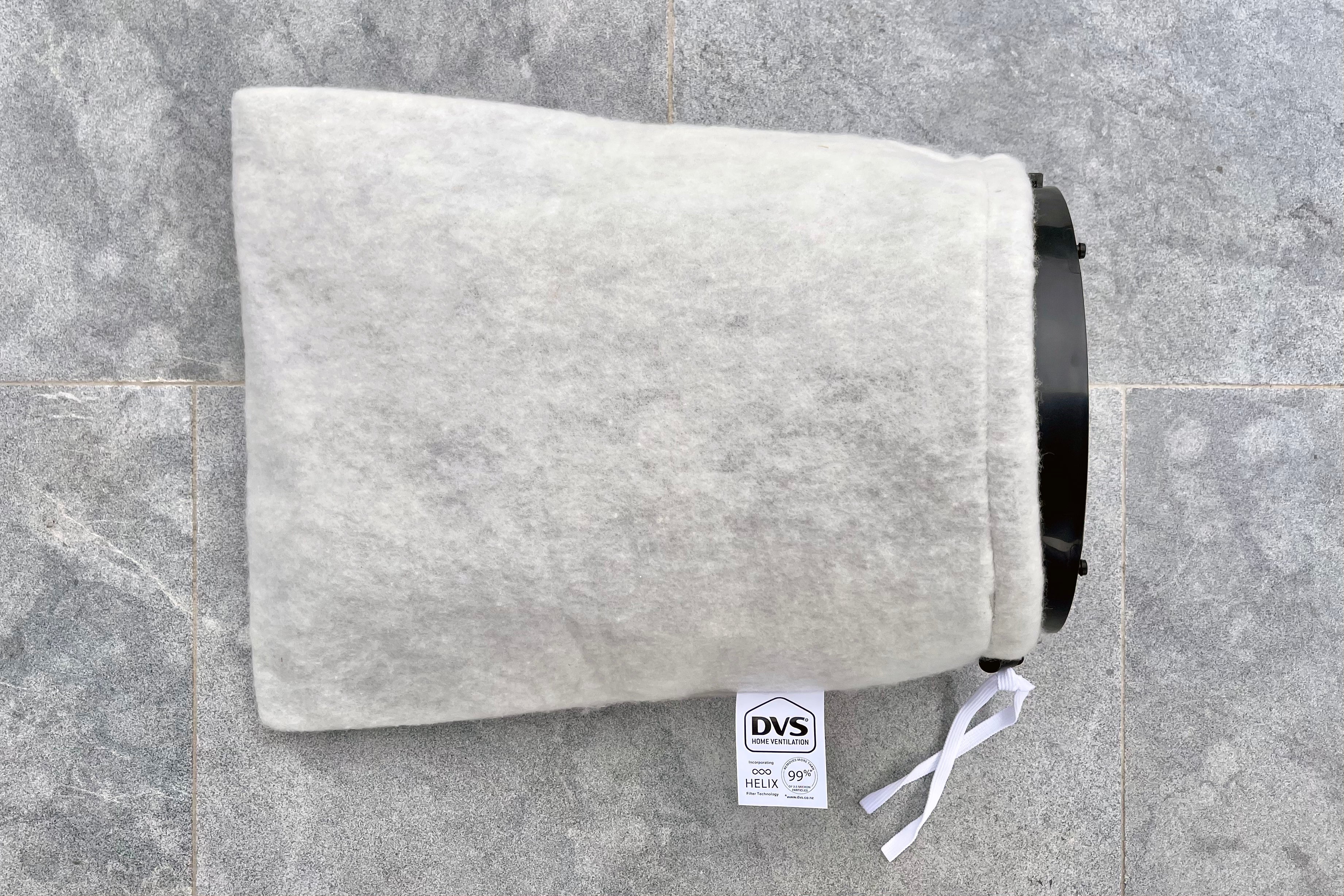
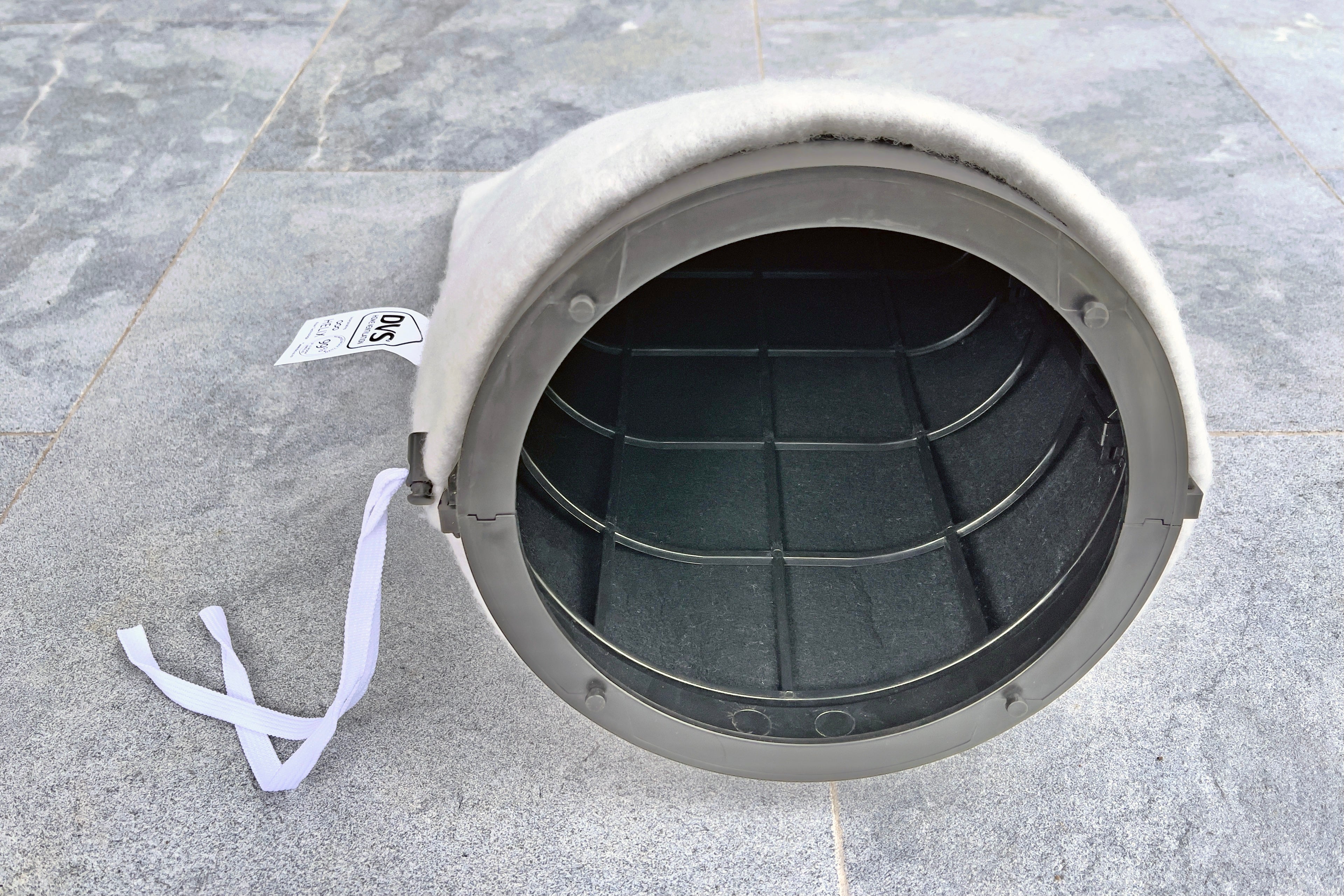
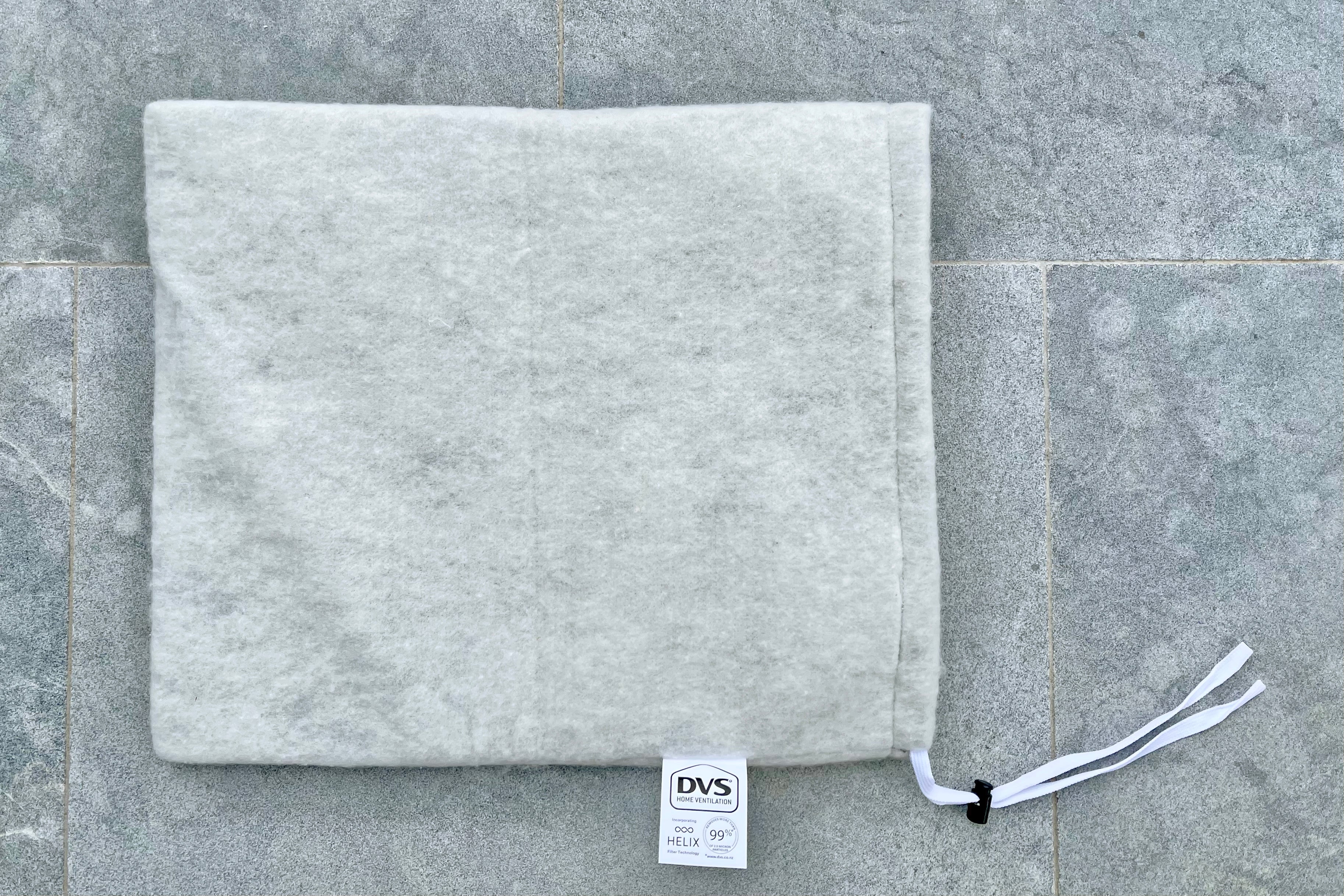
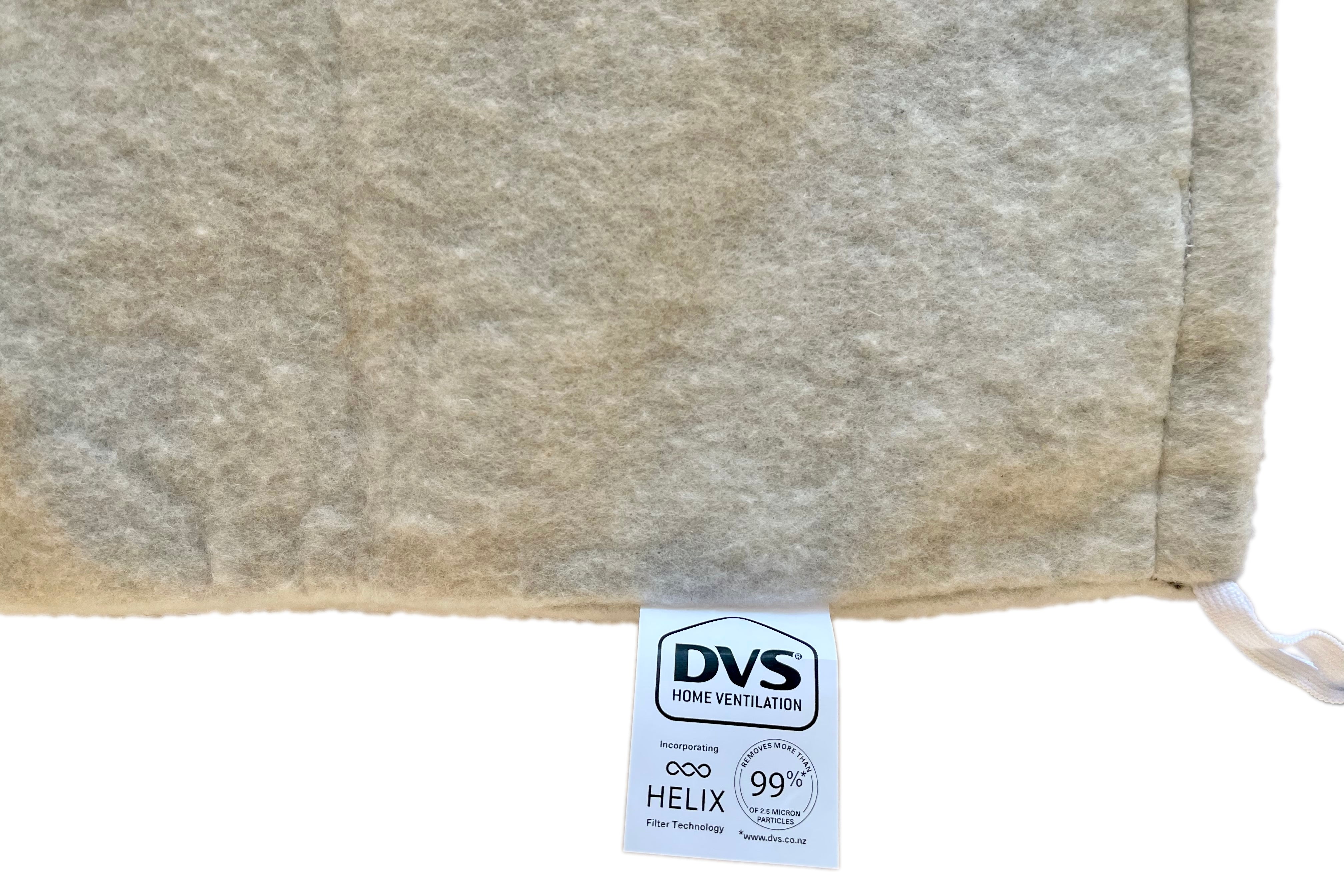
DVS Air Filters — Clean Air, Naturally
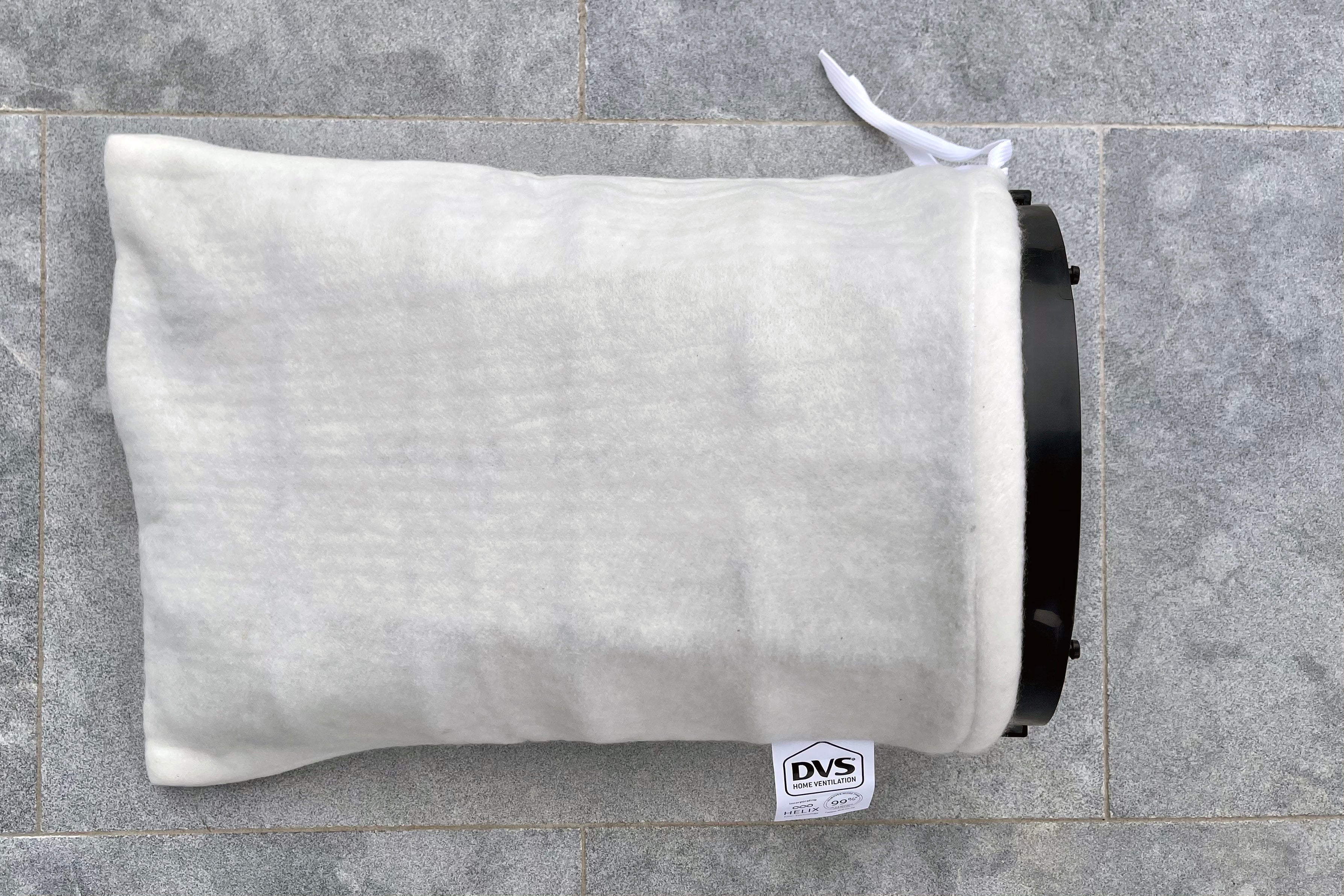
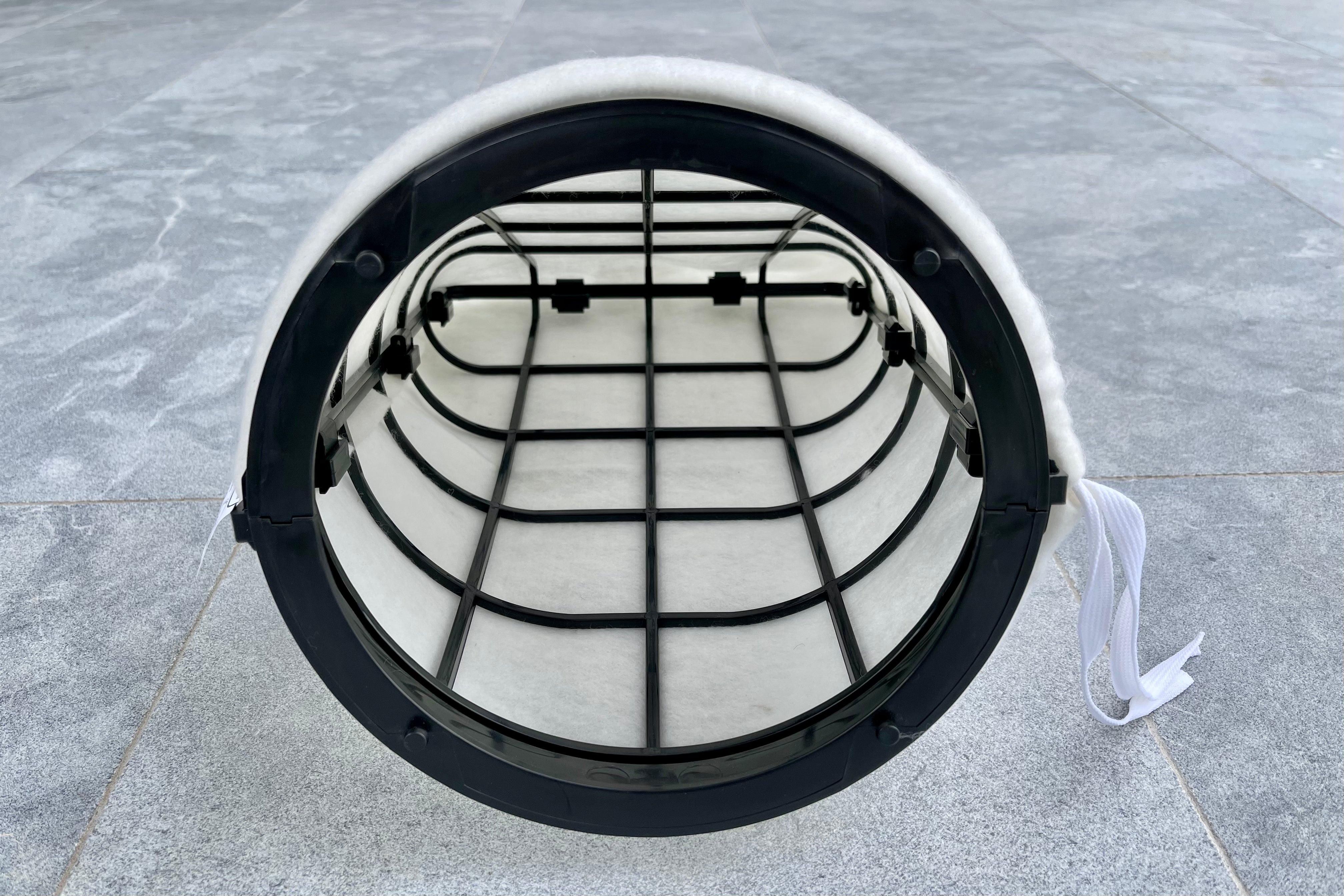
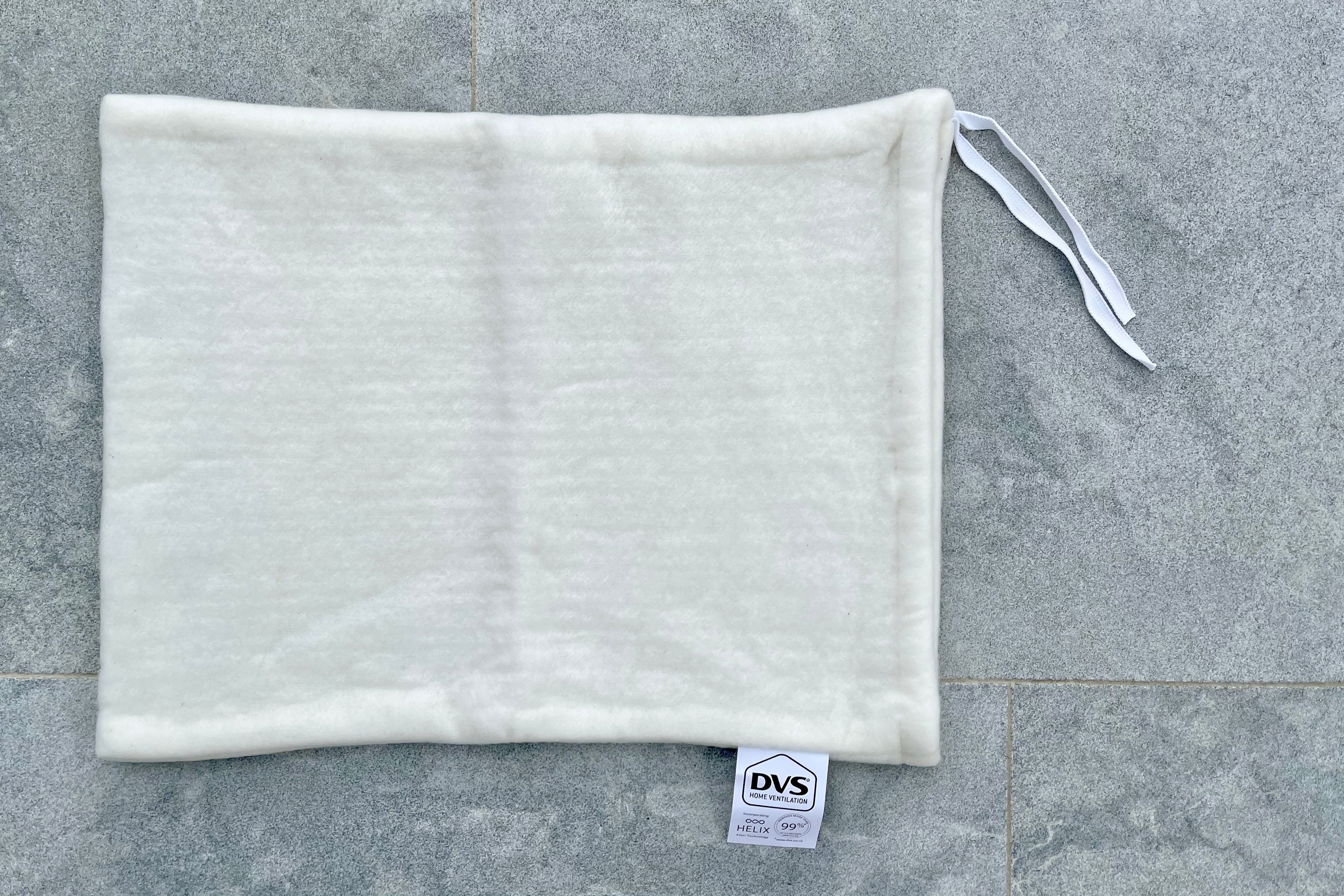
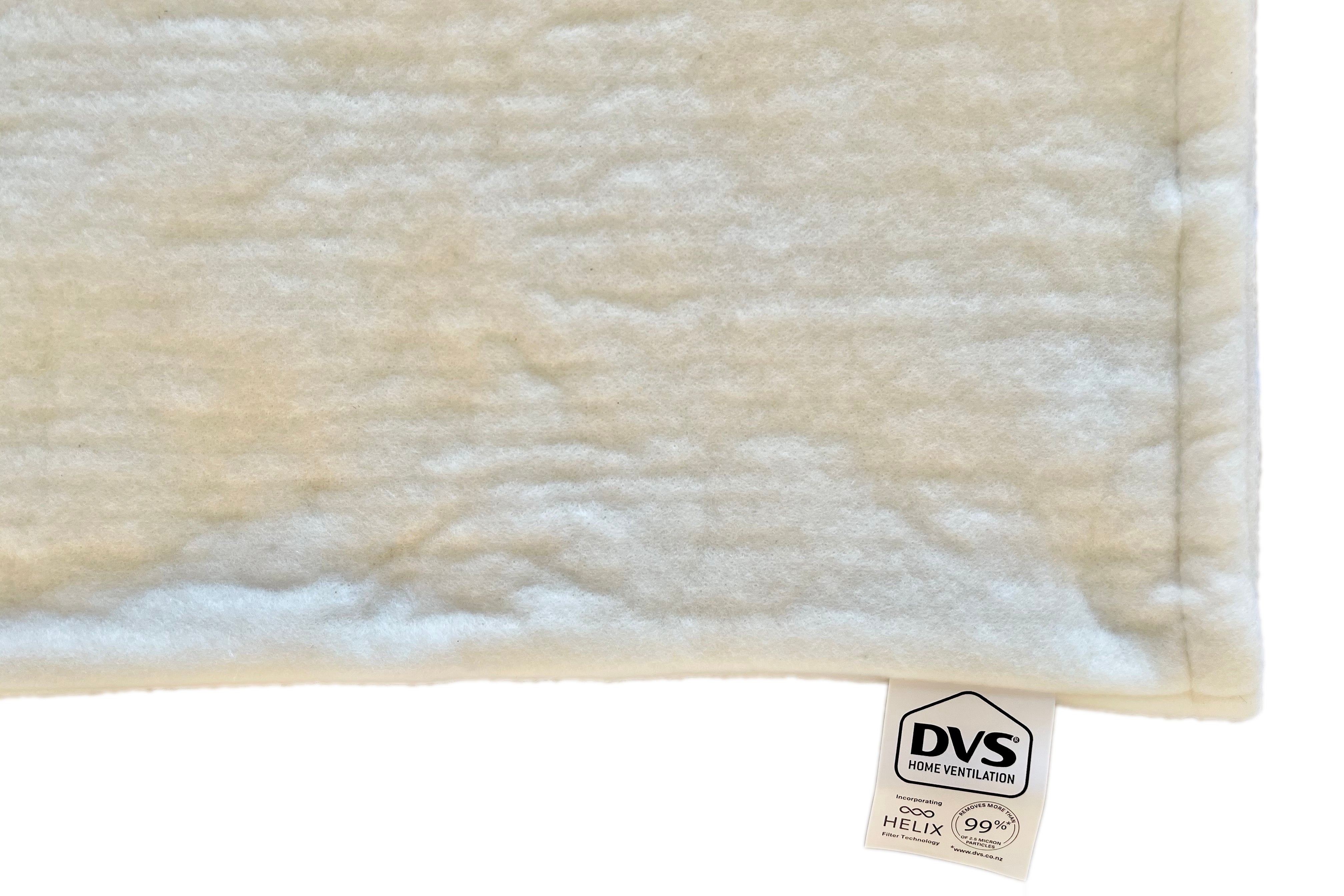
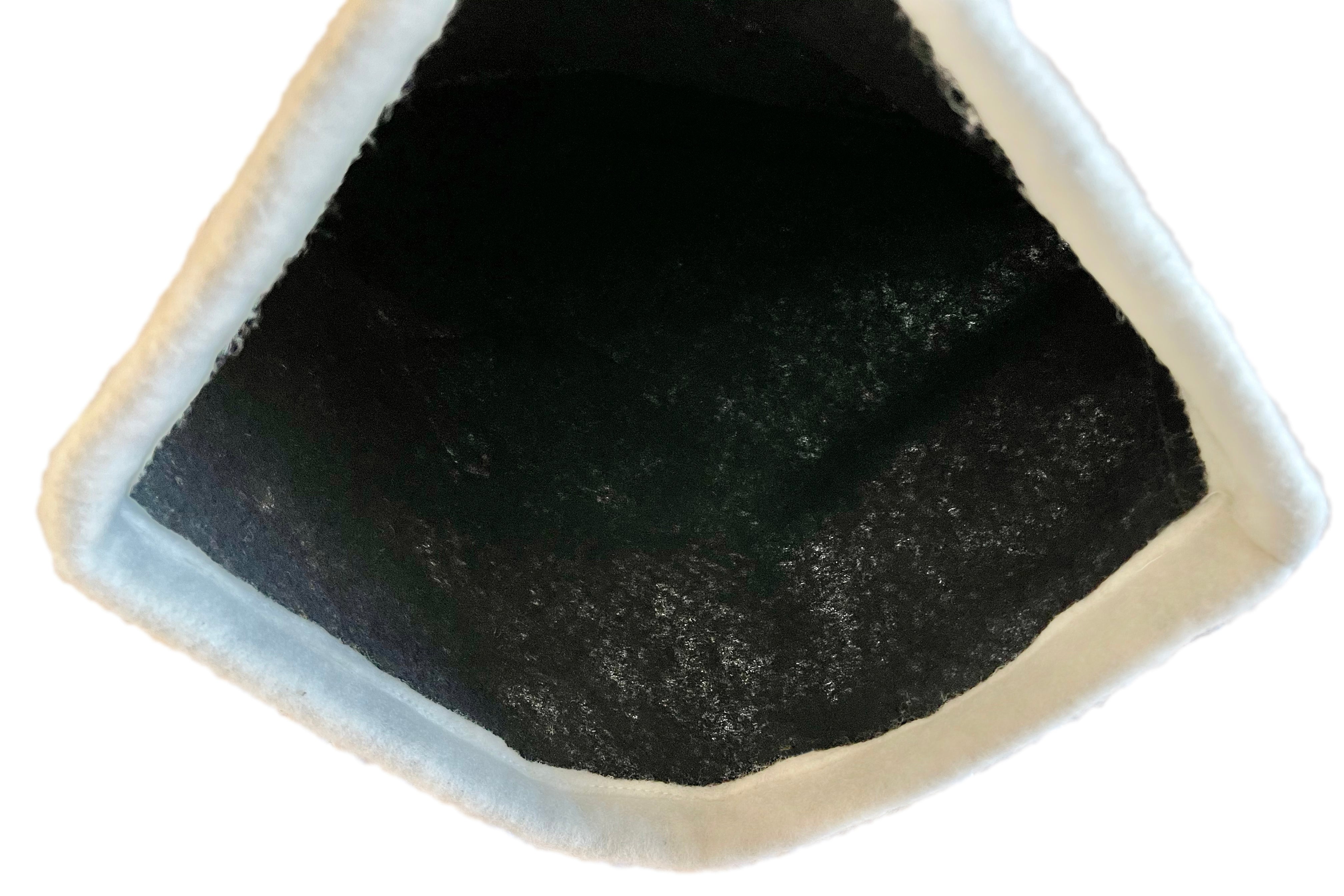
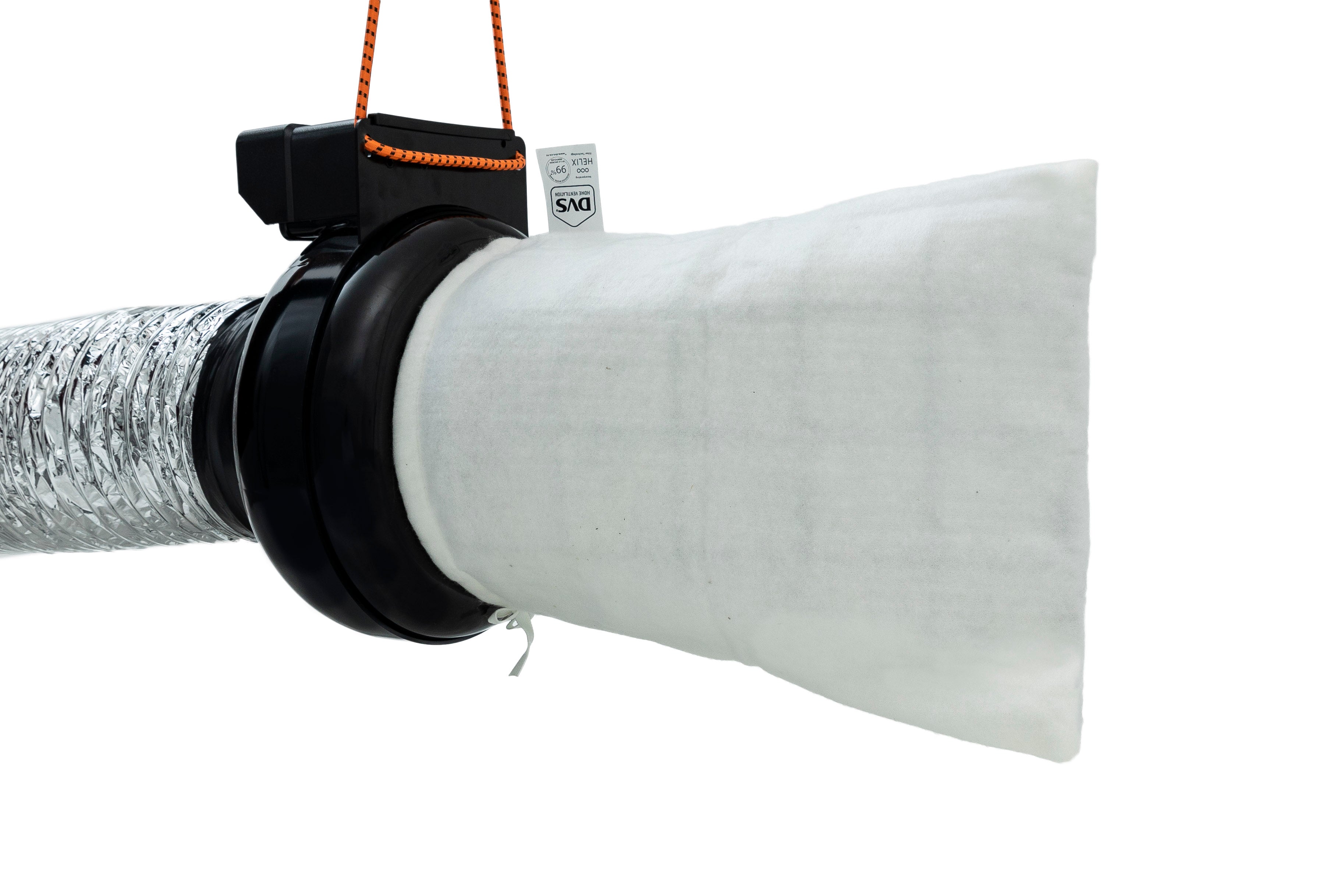
DVS air filters are installed with every DVS EC Premium Connect and DVS EC Reclaim Connect system. They are essential to the long life, efficiency, and performance of your ventilation system, and are manufactured to meet international air filter standards.


Choosing the Right DVS Home Ventilation System
Selecting the right home ventilation system is not about choosing the “best” product in isolation — it’s about choosing the right solution for your home. Australian housing stock varies enormously in age, construction quality, airtightness, and layout, and ventilation systems must be matched accordingly to work effectively.
The right solution depends on several key factors:
- How airtight the home is
Leakier homes benefit from systems that work with natural air leakage, while tighter homes can take advantage of more controlled ventilation strategies. - Whether moisture or air quality is the primary concern
Some homes struggle mainly with condensation and dampness, while others experience stuffy air, high CO₂, or persistent odours. - Roof space access and layout
The availability, size, and condition of the roof space (or subfloor) directly influence which systems can be installed and how ducting can be run. - Budget and installation constraints
Retrofit practicality, installation complexity, and cost all play a role in determining the most suitable system.
Which System Is Right for My Home?
As a general guide:
Positive pressure home ventilation systems are ideal for:
- Older or leakier homes
- Homes with a dry, breathable roof space
- Properties experiencing condensation, mould, or damp smells
- Homeowners seeking a simple, cost-effective retrofit solution
Positive pressure systems work with the natural leakage of the building, gently flushing out stale air and moisture while introducing fresh, filtered air.
Balanced pressure home ventilation systems are better suited to:
- Homes seeking greater control over air supply and exhaust
- Properties where maintaining more neutral pressure is desirable
- Homes built to an above-average standard, but not fully airtight
- Situations where heat recovery is beneficial for comfort and efficiency
Balanced pressure systems use a HRV or ERV core to recover energy from outgoing air, providing continuous fresh air with reduced heat loss — without the construction requirements of high-performance systems.
No One-Size-Fits-All Solution
There is no universal ventilation system that works best in every home. The most effective results come from matching the system to the building, rather than forcing a particular technology into an unsuitable environment.
For this reason, every home ventilation system we supply is carefully selected and configured to suit the specific home, its construction type, its moisture and air quality challenges, and the needs of its occupants. This tailored approach ensures reliable performance, long-term effectiveness, and a healthier indoor environment.
The Fresh Ventilation Difference
