
Available for pickup
Usually ready in 2 hours
Available for pickup
Usually ready in 2 hours
Unit 1, 3-7 Frankland Street
Mittagong NSW 2575
Australia
+61248799750
Out of stock
Usually ready in 2 hours
Unit 7, 3-7 Frankland Street
Mittagong NSW 2575
Australia
+61248799750

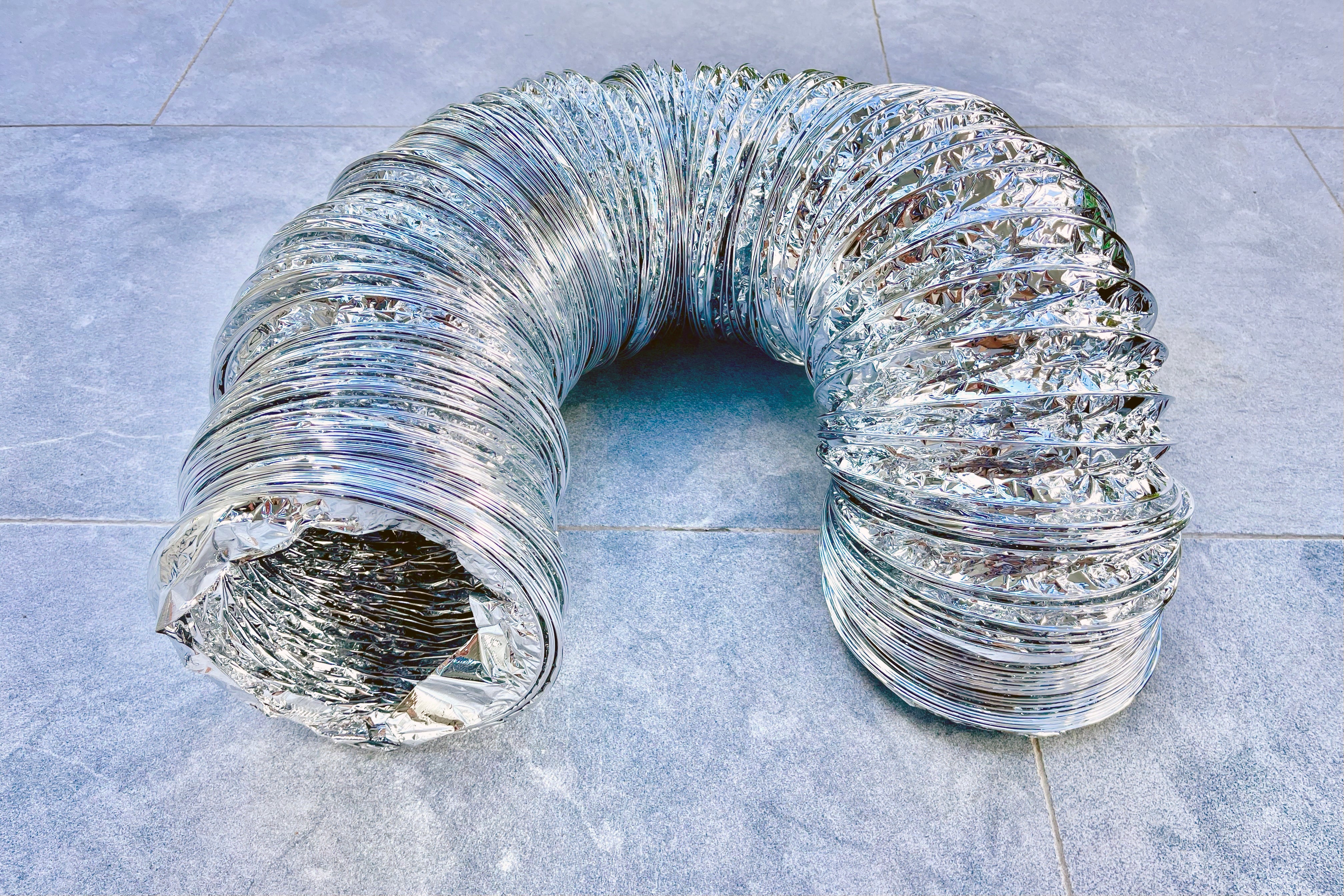
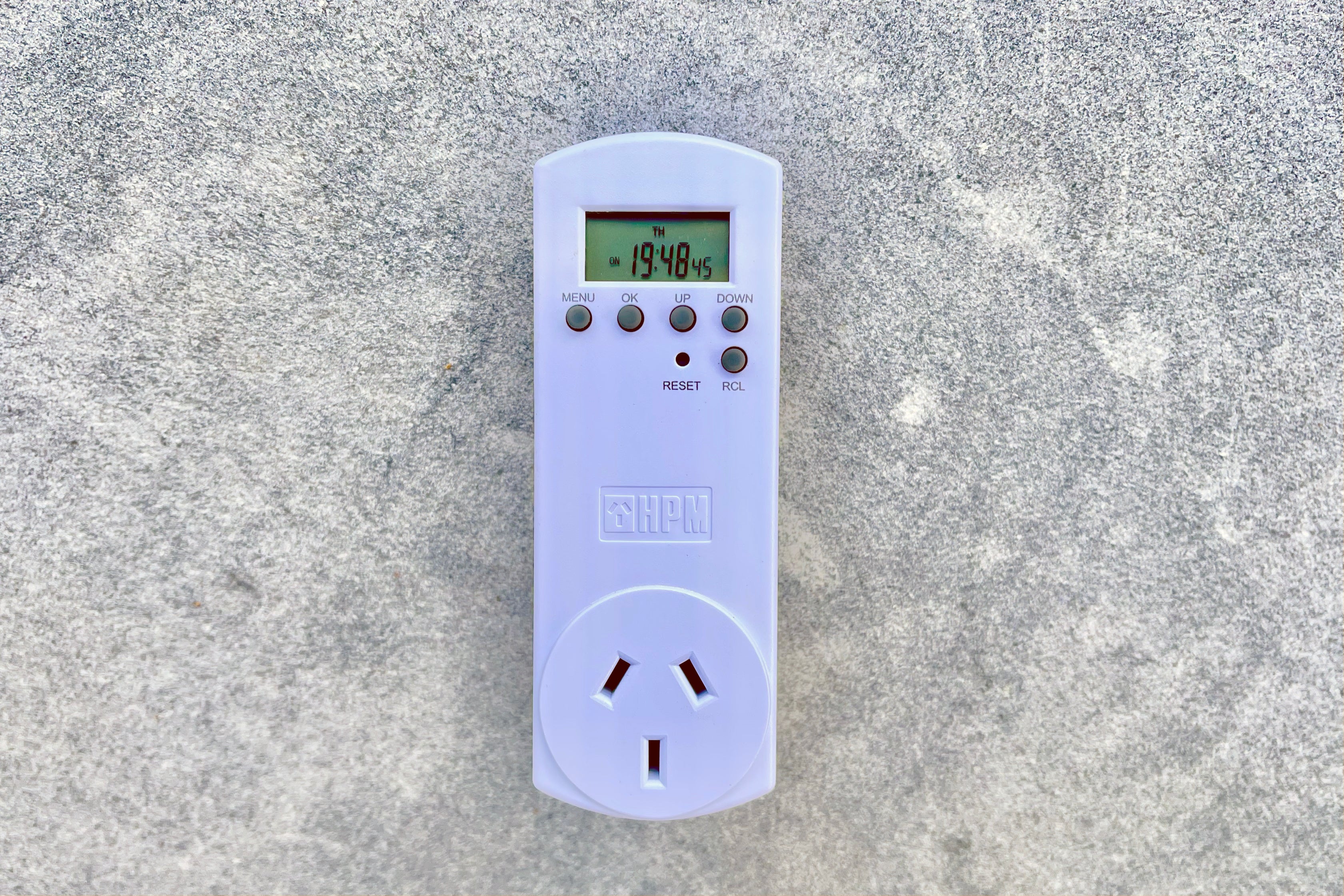
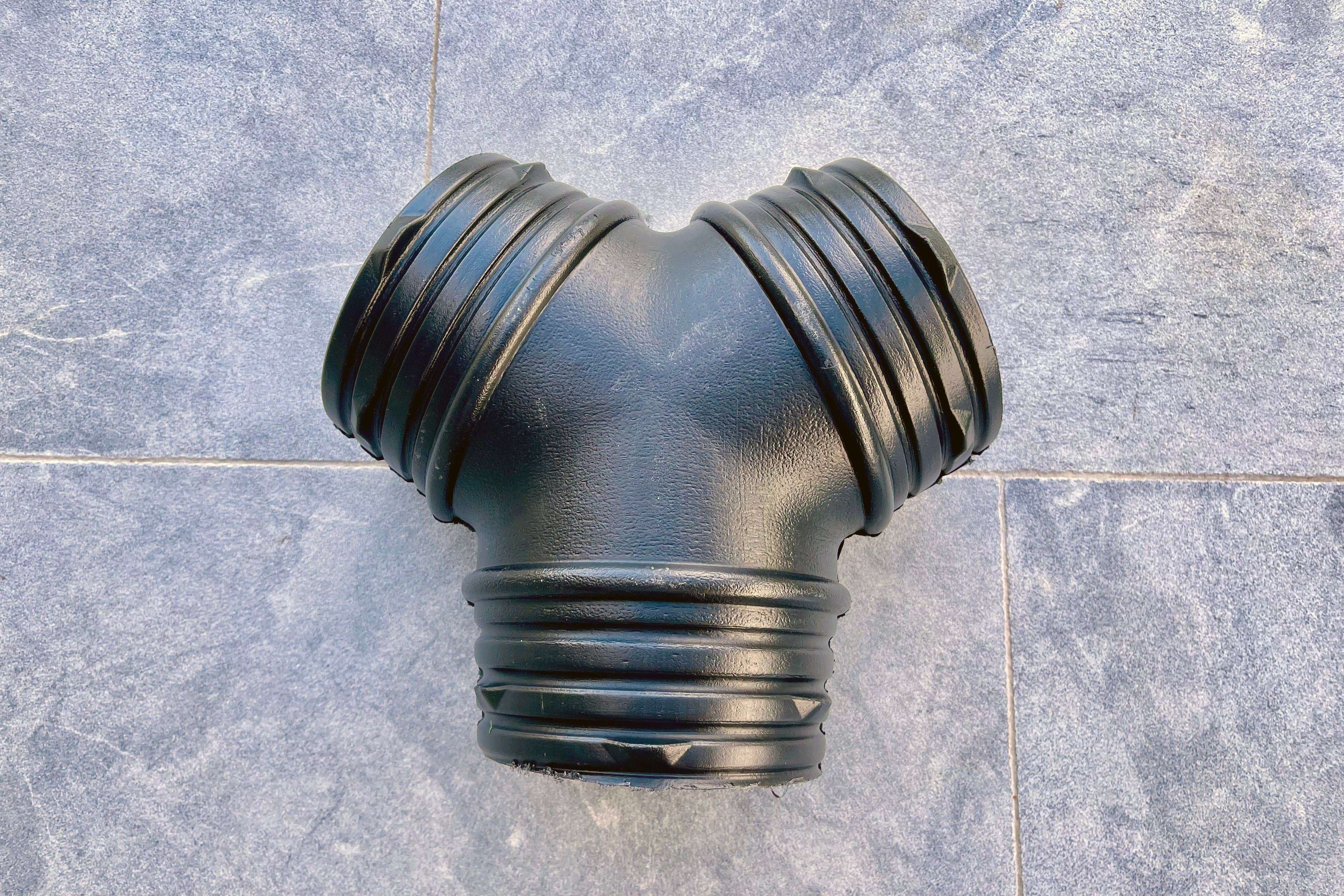
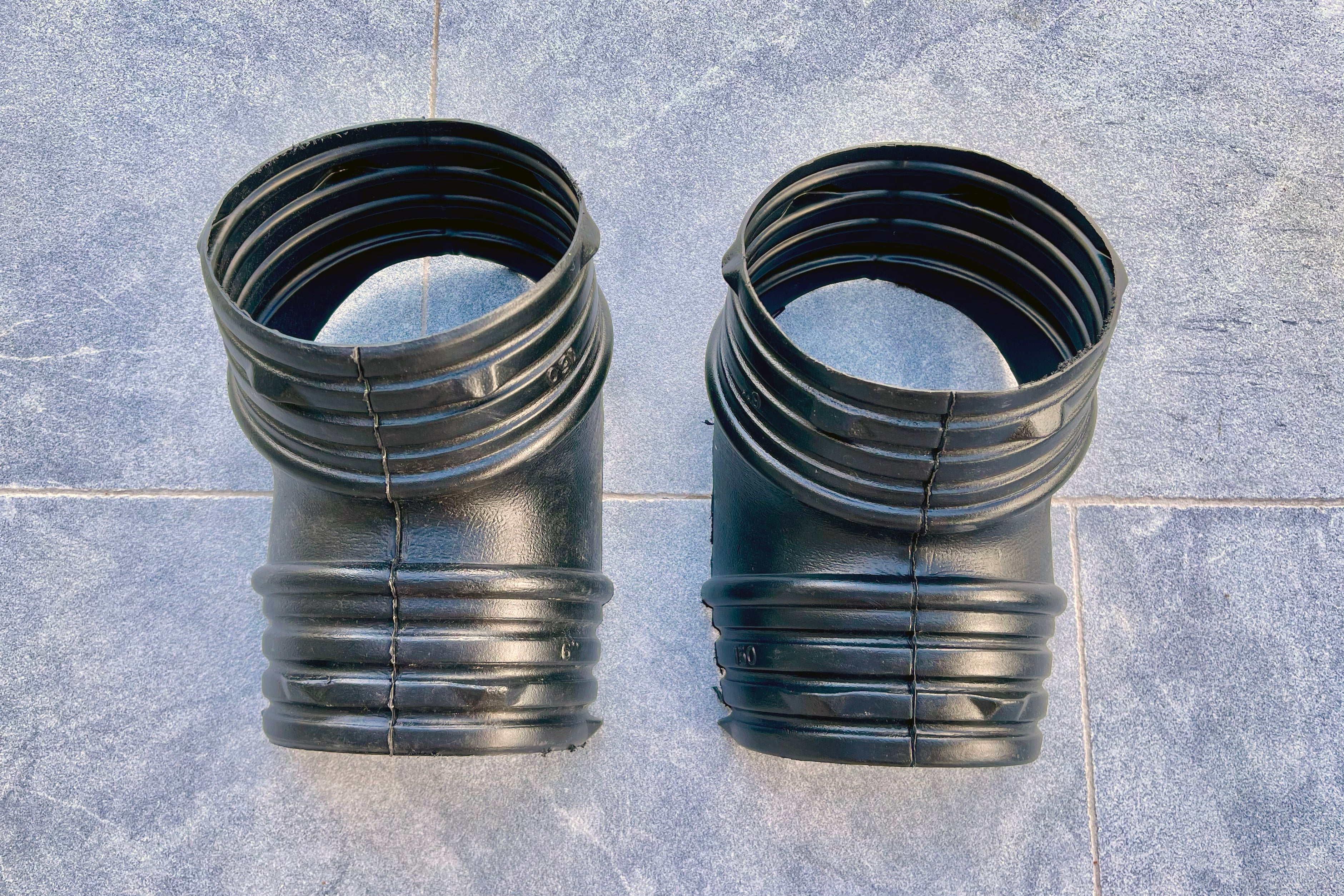
DIY Subfloor Ventilation Kits – Eliminate Damp, Protect Your Home, Breathe Fresh Air
Premium Australian Made Solutions
If you’ve noticed musty smells, damp patches, or signs of mould creeping into your home, chances are your subfloor is not getting the ventilation it needs. Poor airflow beneath your house traps moisture, creating the perfect conditions for mould growth, wood rot, pest infestations, and even structural damage. Our DIY subfloor ventilation kits have been purpose-designed to solve these problems quickly and effectively, giving homeowners a cost-efficient way to protect their property and improve indoor air quality.
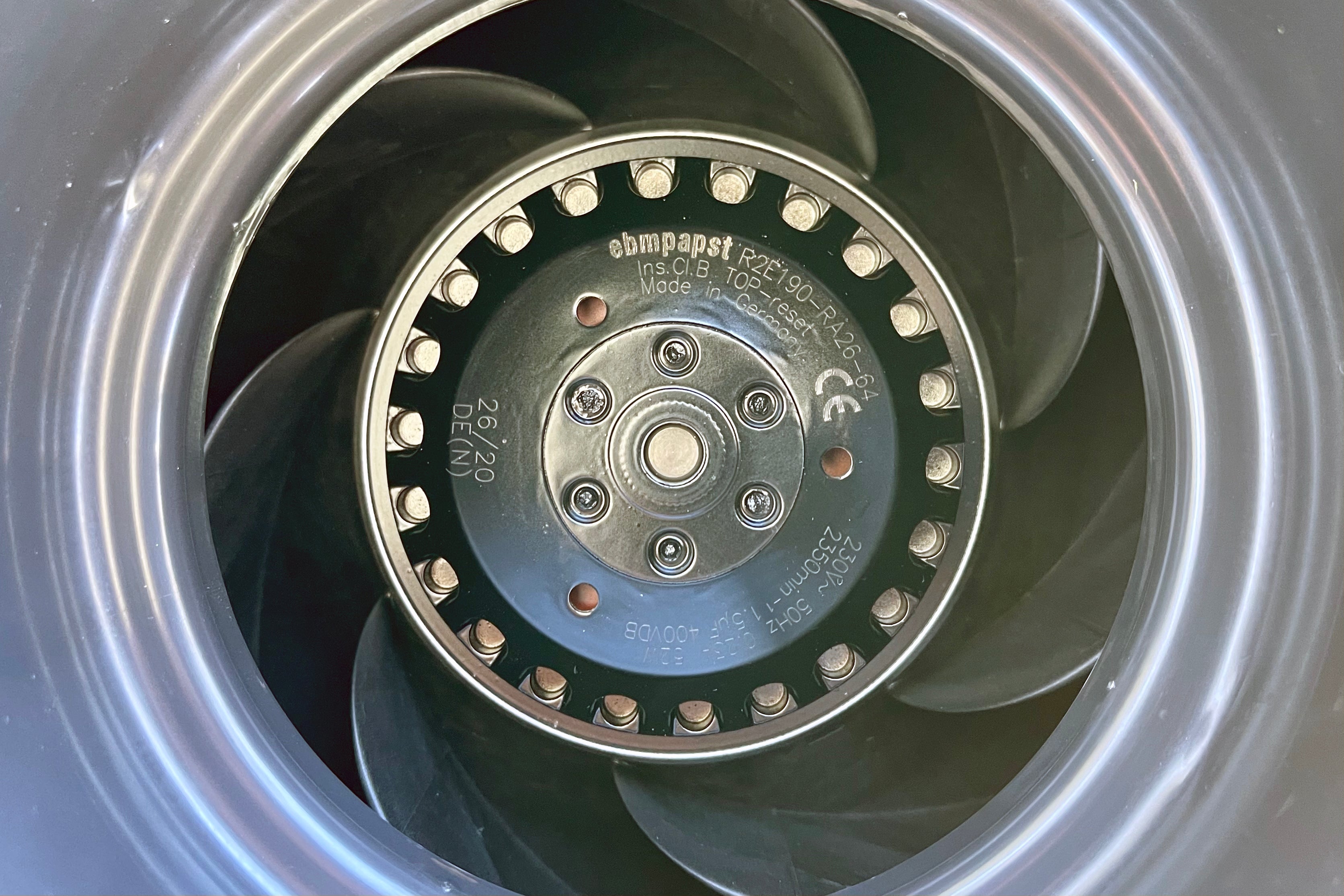
At Fresh Ventilation, we’re proud to supply the most premium DIY ventilation kits in Australia, combining Australian made components with German made ebm-papst motors. Unlike generic fans on the market, our centrifugal fans are quieter, more reliable, and designed to deliver maximum airflow even under resistance. Every kit is backed by over 15 years of real-world installation experience, meaning you can buy with confidence knowing the system has been tried and tested in Australian conditions.
Protect Your Home and Health with Fresh Ventilation
Moisture doesn’t just damage timber floors and foundations – it also affects your family’s health. Mould spores, dust mites, and poor air quality are common triggers for allergies, asthma, and respiratory issues. Installing a DIY subfloor ventilation kit creates continuous airflow beneath your home, preventing dampness and ensuring fresh, clean air circulates through the living areas above.
By choosing Fresh Ventilation, you’re not just buying a fan – you’re investing in a complete subfloor moisture control solution, backed by our family-run business, Australian made certification, and unmatched customer support.


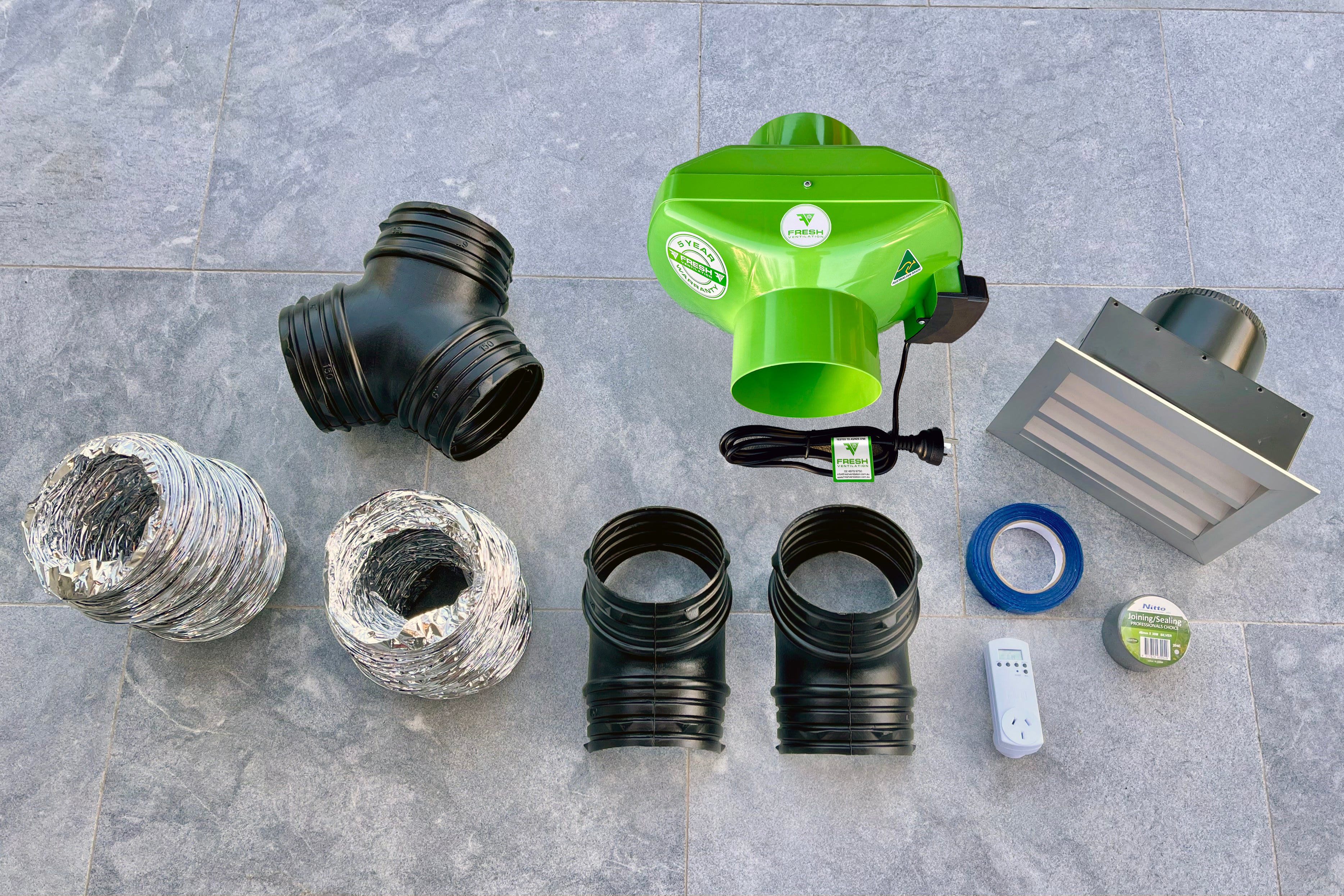
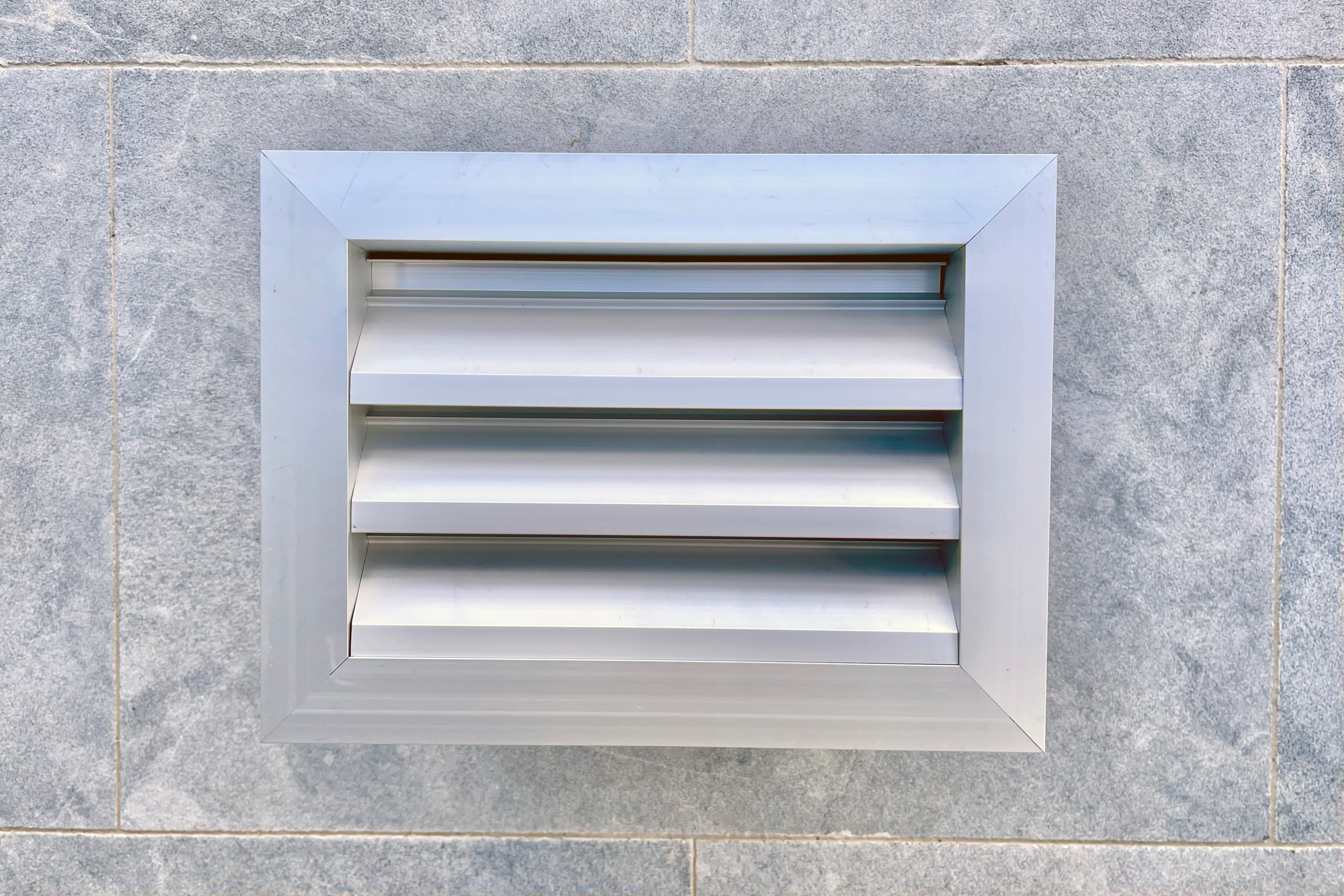
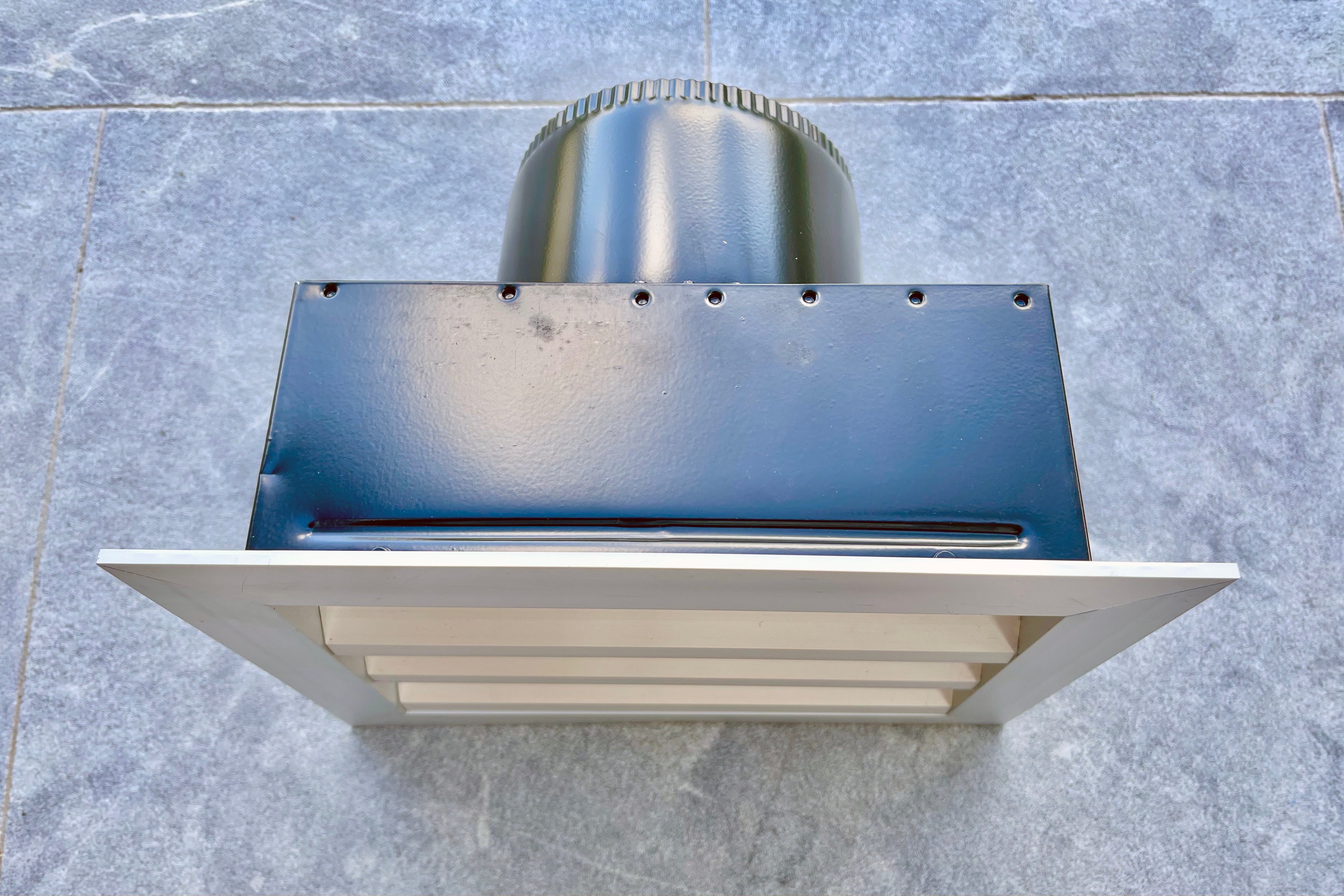
Components


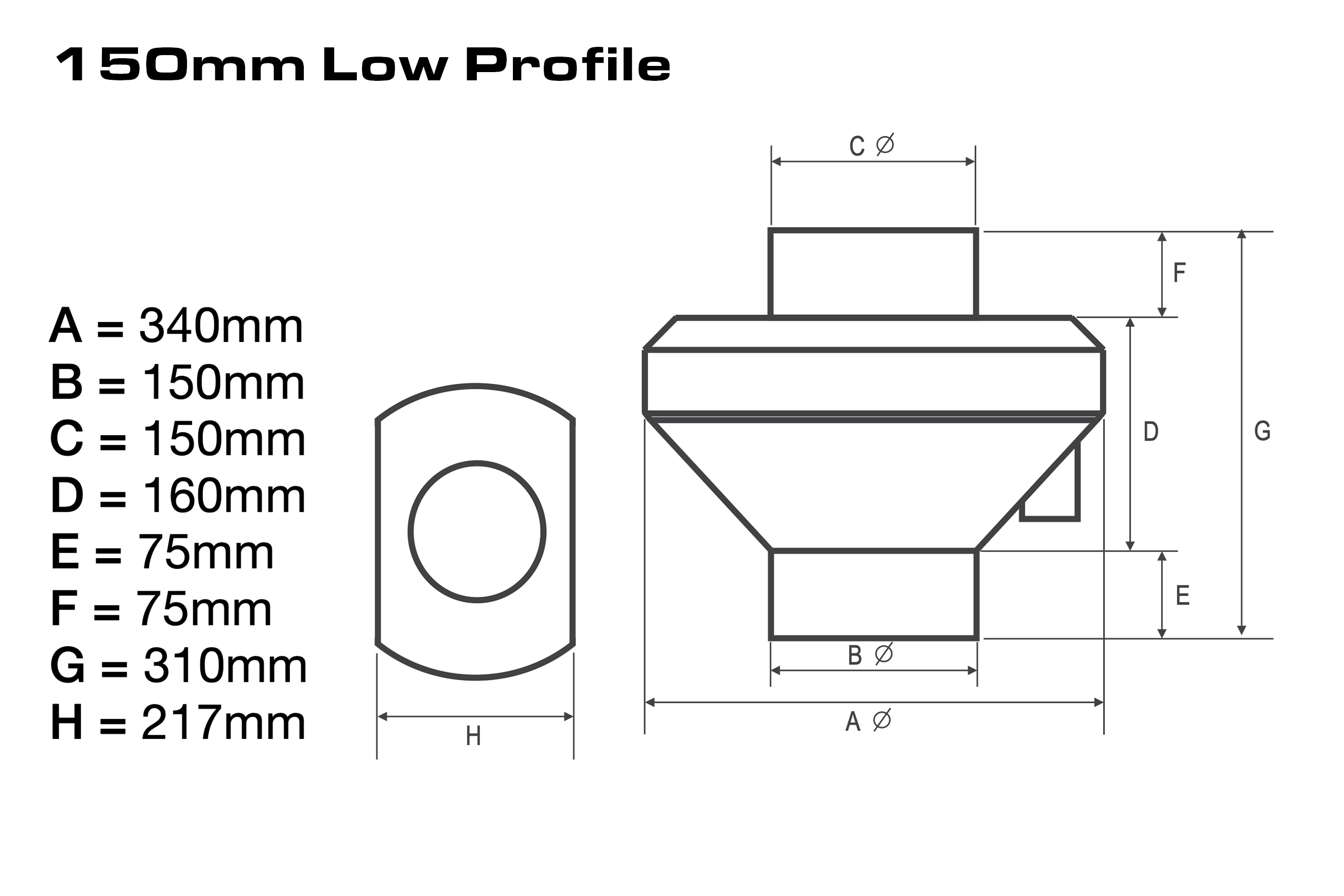
Fan Specifications
Why Is Subfloor Ventilation Important?

Negative Pressure vs Positive Pressure vs Balanced Pressure Subfloor Ventilation – Which System is Best?
Installing the right subfloor ventilation system is one of the most effective ways to remove air pollutants, dampness, and mould spores that can impact your family’s health and wellbeing. At Fresh Ventilation, we provide energy-efficient subfloor ventilation solutions that eliminate stale, moist air and replace it with cleaner, fresher, and drier airflow to create a healthier home environment.
Our ducted subfloor ventilation system can be installed in three different pressure configurations — negative, positive, or balanced — depending on your property’s needs:
- Negative Pressure Subfloor Ventilation – Fans are configured to extract moist, stale air out of the subfloor, helping prevent mould and odours.
- Positive Pressure Subfloor Ventilation – Fans are installed to push fresh air into the subfloor, displacing damp, polluted air.
- Balanced Pressure Subfloor Ventilation – With two or more fans, the system can simultaneously blow in fresh air and extract stale air, achieving maximum airflow and moisture control.
Because the system configuration depends on the way the fans and ducting are installed, the same high-quality components can be used for positive, negative, or balanced pressure setups. This ensures flexibility, efficiency, and long-term protection for your home.
Our most popular configuration, a negative pressure subfloor ventilation system works by extracting more stale, damp air from the subfloor than the amount of fresh air blown in. This creates a gentle vacuum effect, where the space is naturally refilled with fresh outdoor air drawn in through existing vents or openings.
By removing air at controlled locations, this system is highly effective for reducing moisture, musty odours, and mould spores in the subfloor area. It also helps prevent termite risk and wood rot by keeping the environment drier and healthier.
While the drying performance of a negative pressure setup can be slightly slower than a positive pressure system, it provides consistent results and remains the preferred choice for many Australian homes.
Negative pressure subfloor ventilation is our preferred approach and is widely regarded as the safest and most reliable option for most Australian homes. By continuously extracting damp, stale air from beneath the house, the system creates a controlled vacuum that draws fresh outdoor air in and ensures strong, predictable cross-flow ventilation. This negative pressure makes it virtually impossible for moisture or odours to rise into the living areas above, instead giving complete control over where dampness and mustiness are removed.
Unlike positive pressure systems, negative pressure subfloor ventilation does not rely on passive venting to expel moisture. The result is guaranteed moisture reduction, consistent airflow in all weather conditions, and long-term protection against mould, mildew, and termite risk. For these reasons, negative pressure subfloor ventilation is the preferred choice of pest inspectors, builders, and homeowners seeking a proven, effective solution for a drier, healthier subfloor environment.
A positive pressure subfloor ventilation system works in the opposite way to negative pressure. Instead of extracting stale air, this configuration uses mechanical ventilation to blow a greater volume of fresh outdoor air into the subfloor, which in turn forces damp, polluted air out through existing vents or openings.
Because dry air is constantly circulated across damp surfaces, positive pressure systems can be highly effective at drying out subfloor moisture, mould, and condensation. In fact, this setup is often faster at reducing dampness than trying to simply extract moist air from wet surfaces.
However, care must be taken to ensure there is sufficient passive venting or outlets for the displaced damp air to escape outdoors. Without adequate venting, moisture may rise into the home above, leading to condensation, musty odours, or mould problems inside.
A balanced pressure subfloor ventilation system combines both positive and negative pressure by supplying fresh outdoor air into the subfloor while simultaneously extracting stale, moisture-laden air at an equal rate. In theory, this creates a neutral or “balanced” pressure environment, with the same volume of air entering and leaving the space.
While this approach can sound like the best of both worlds, balanced pressure systems require extreme care and attention to detail to work effectively. Because the pressure within the subfloor is not reduced, there is no inherent safeguard preventing air movement from the subfloor into the living areas above. This means damp air or odours can still migrate upward if the system is not perfectly designed.
Balanced pressure systems are typically only appropriate where the subfloor is relatively airtight and has very limited or no natural openings for make-up air to enter. In most Australian subfloors — which often have vents, gaps, and variable leakage paths — balanced systems can behave unpredictably.
Another key challenge is airflow short-circuiting. With one fan supplying air and another extracting it, air naturally takes the path of least resistance and can move directly between the two fans, bypassing large sections of the subfloor. Without careful layout and airflow control, this can leave pockets of stagnant air untouched.
For these reasons, balanced pressure systems demand professional design and precise fan placement to ensure adequate coverage and effective moisture control. They are not forgiving of layout errors, and poor design can result in uneven ventilation and reduced performance.
Where supply air is desired alongside extraction, a more reliable approach is often to use three fans rather than two — for example, one supplying fresh air and two extracting. This configuration maintains the benefits of introducing fresh air while creating an overall negative pressure bias, ensuring strong cross-flow ventilation and preventing damp air or odours from rising into the home. It also reduces the risk of airflow short-circuiting and provides all the safety and reliability advantages of a negative pressure system.
In practice, this negative-biased approach delivers more predictable airflow, better moisture control, and greater long-term protection for the subfloor and the home above.
Ducted Subfloor Ventilation Systems
Fresh Ventilation supplies a range of highly efficient, technologically advanced ducted subfloor ventilation systems designed for superior moisture and air quality control. Our systems are built using Australian made components and powered by high-performance German AC or EC centrifugal fan motors from ebm-papst, delivering exceptional reliability, efficiency, and quiet operation.
Unlike wall-mounted fans or passive vents, ducted subfloor ventilation systems provide targeted, whole-of-subfloor coverage rather than relying on random airflow or external wind conditions. Carefully designed duct runs allow air to be drawn from known problem areas, including damp corners, internal piers, and low-air-movement zones that wall vents simply cannot reach.
By using multiple pick-up points, ducted subfloor systems achieve far greater and more consistent coverage across the entire subfloor. This enables effective cross-flow ventilation to be engineered, rather than left to chance, ensuring stale, moisture-laden air is actively removed from deep within the subfloor cavity.
Premium centrifugal fans are specifically designed for ducted applications and significantly outperform axial wall-mounted fans when connected to ducting. They maintain airflow under resistance, operate far more quietly, and deliver reliable performance over the long term. The result is a system that not only works better, but does so discreetly and efficiently — protecting the structure of the home while improving durability and indoor air quality.
In short, ducted subfloor ventilation offers smarter airflow control, quieter operation, and proven performance where it matters most — under your home.

The Fresh Ventilation Difference
At Fresh Ventilation, we believe everyone deserves to breathe clean, healthy air — whether at home, at work, or anywhere in between. Based in Mittagong in NSW Australia, we specialise in providing high-quality ventilation solutions that improve indoor air quality, comfort, and wellbeing.
Who We Are
Fresh Ventilation is a locally owned and operated family business with a strong commitment to customer satisfaction and indoor air quality excellence. We bring years of leading industry experience, practical knowledge, and a dedication to solving air quality issues across a wide range of residential and commercial settings.
Our DIY Kits
Our subfloor ventilation kits use the same premium components we install every day in our own projects. Effective subfloor ventilation depends on both high-quality equipment and correct installation. Because no two subfloor areas are ever the same, there is no one-size-fits-all solution.
That’s why we place a strong emphasis on tailored system design and genuine after-sales support. Our goal is not just to sell products, but to help you create a ventilation system that actually works for your home. We focus on premium components, practical experience, and expert guidance to ensure long-term performance and reliable results.
All of our kits include:
- Personalised installation maps tailored specifically to your subfloor layout.
- One-on-one consultations to understand your conditions and recommend the most effective solution.
- One-on-one telephone and/or FaceTime support during installation.
- Installation photos and videos showing best practices and common mistakes to avoid.

Why Premium Components and Proper Installation Are Essential
Fresh Ventilation supplies a range of efficient, technologically advanced subfloor ventilation products. Our exclusive designs are built on years of hands-on experience, in-depth knowledge, and extensive testing of competing systems. Not all components are created equal.


Fresh Ventilation gave us excellent service when we needed an in duct fan to draw conditioned (solar heated) air from our rooftop collector to pass through a heat bank wall and into the house. Following my enquiry they contacted us to determine exactly what our requirements are and then promptly recommended a suitable product and sent it to us. It's now been installed and is running silently and efficiently and doing exactly the job required.
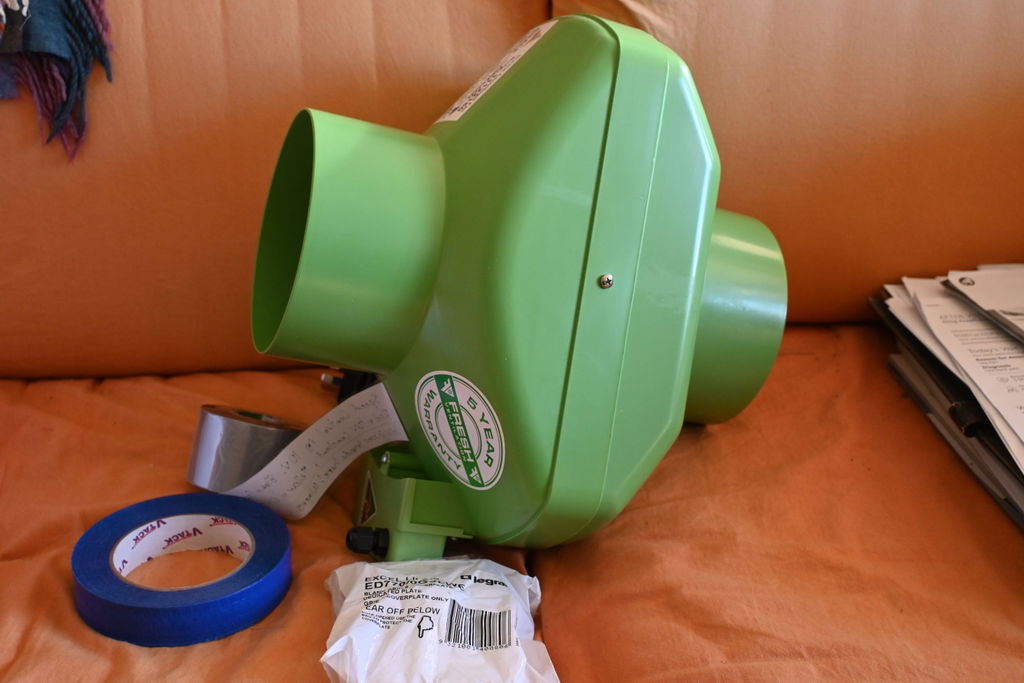
Absolutely great, very easy to install yourself and light, can’t hear it at all under the kitchen and I have it running 24/7
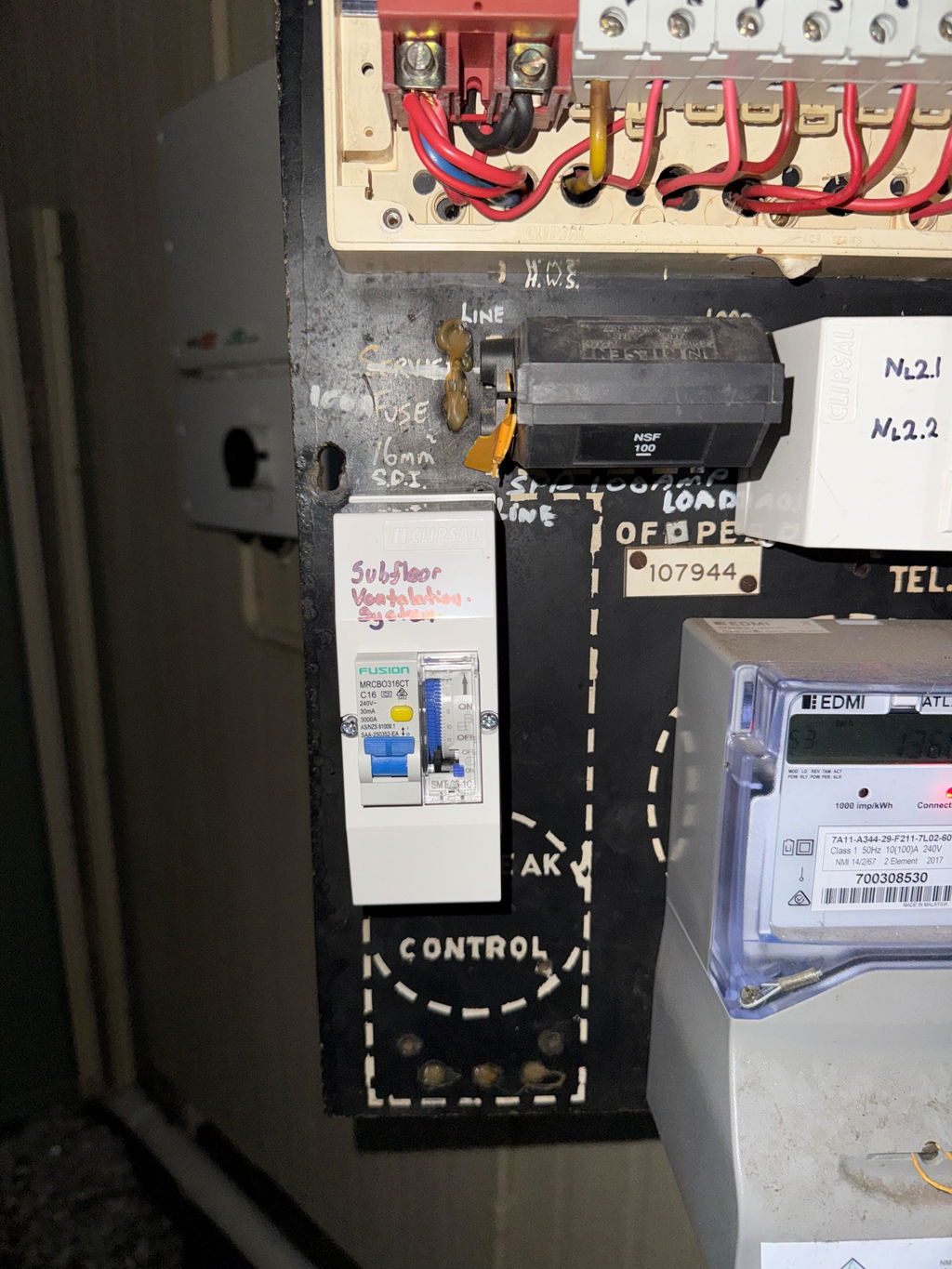
i replaced the previous unit which lasted 10 years! so it was easy to order, arrives quickly and was easy to replace the old one with the new one! Overall very happy anyone could do this it’s quite easy 👍🏻
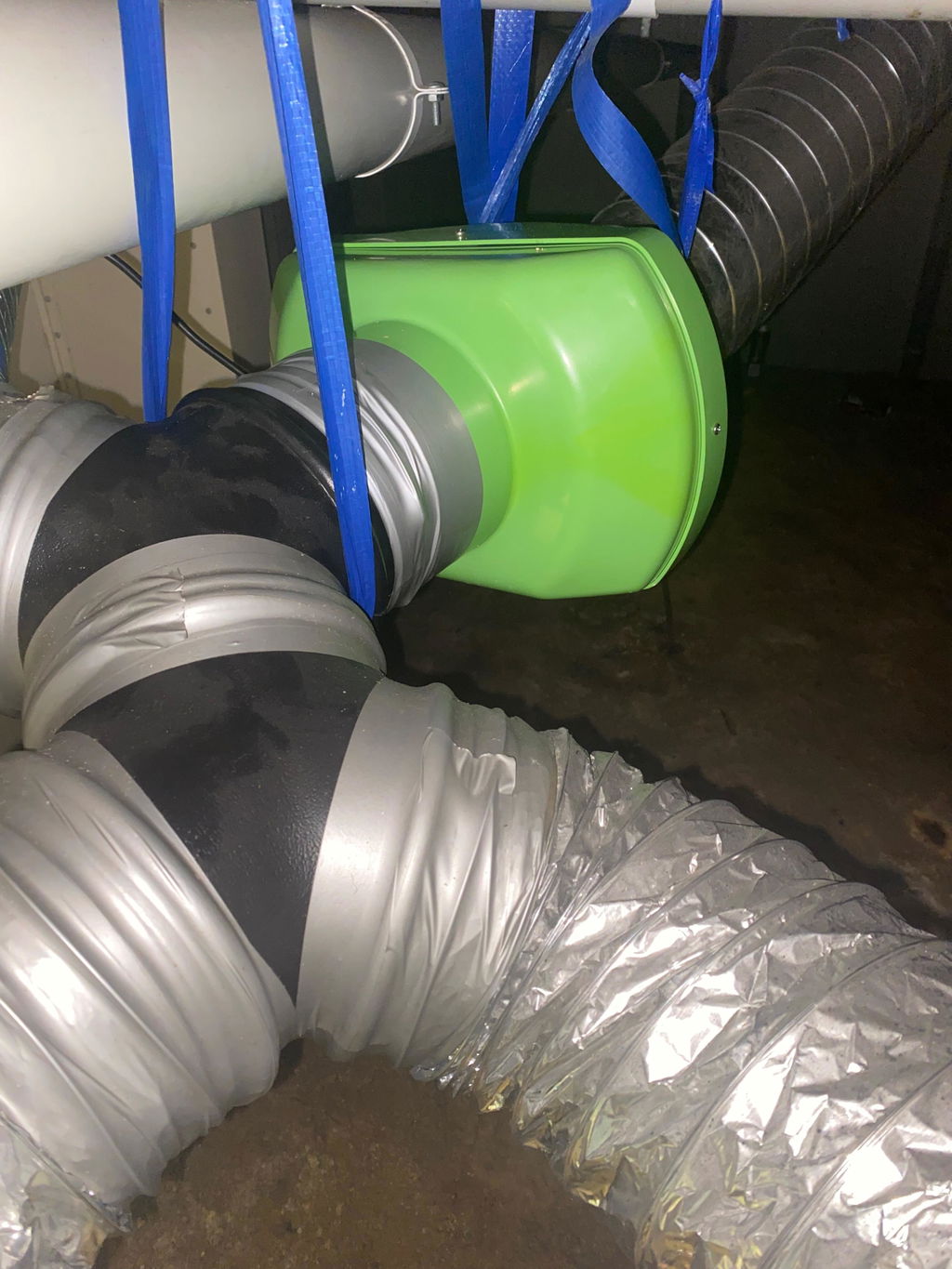
it works well really just a plastic style of twine but can take the weight of the unit easily!
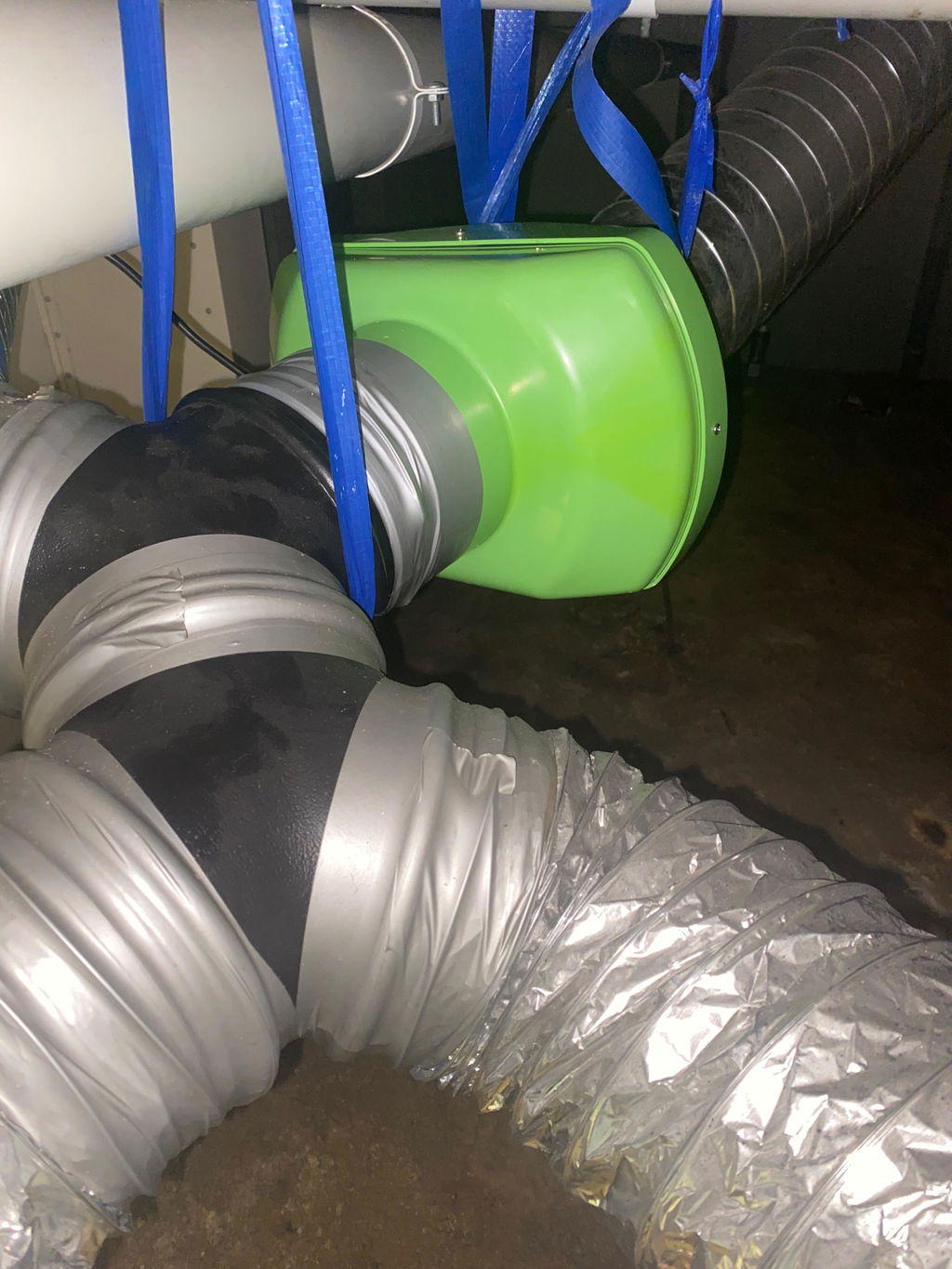
The best Australian made fans. I’ve been using them for 10 years.
Thrilled with the system I purchased was an absolute pleasure to work with Cameron was very helpful with the whole process with my DIY installation was happy to answer all questions and supplied a detailed plan on layout of system. I would highly recommend these guys and there system it truly has done wonders already with noticeably better air quality within the house and subfloor thanks again to the whole team at fresh ventilation.
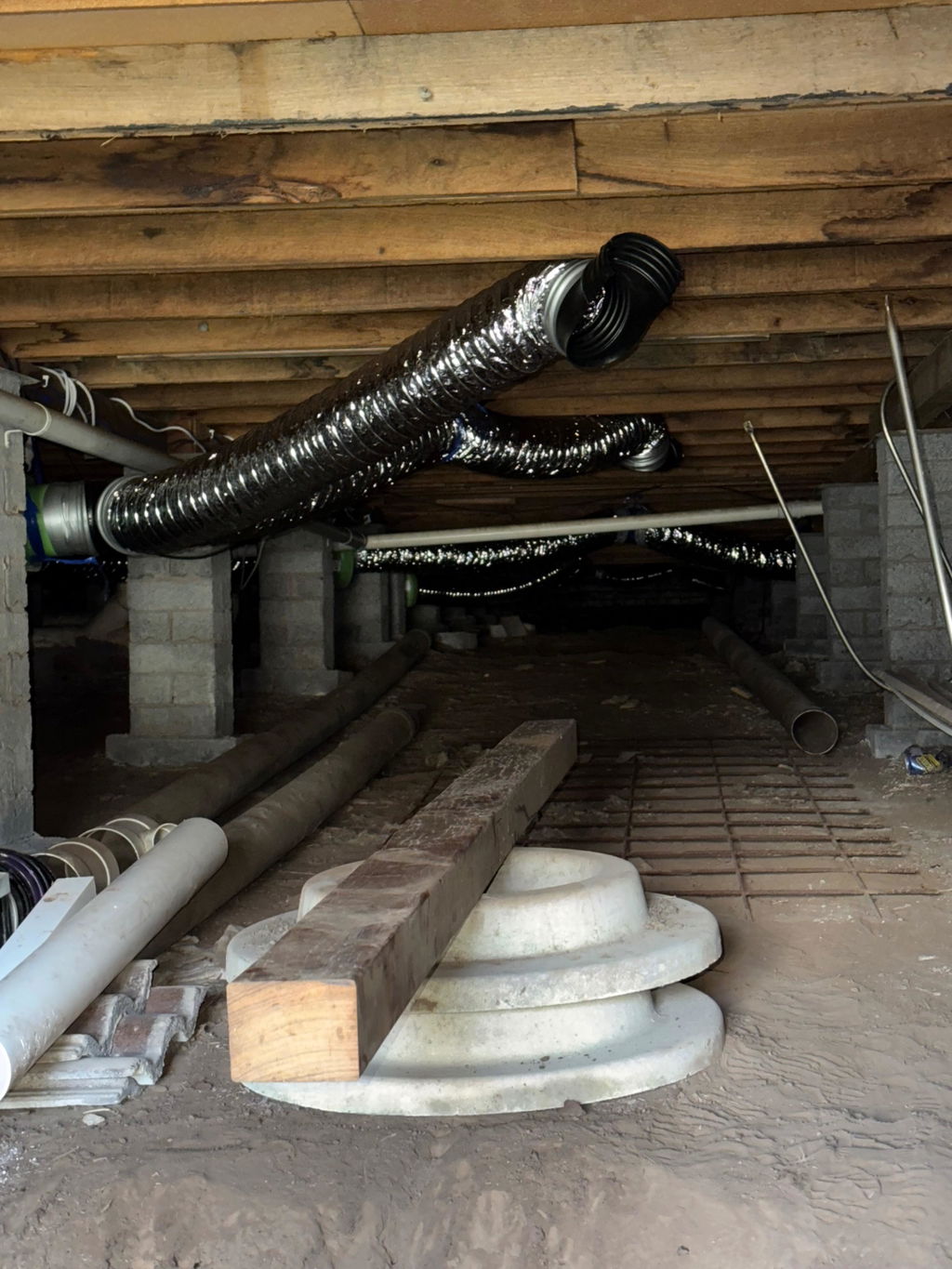
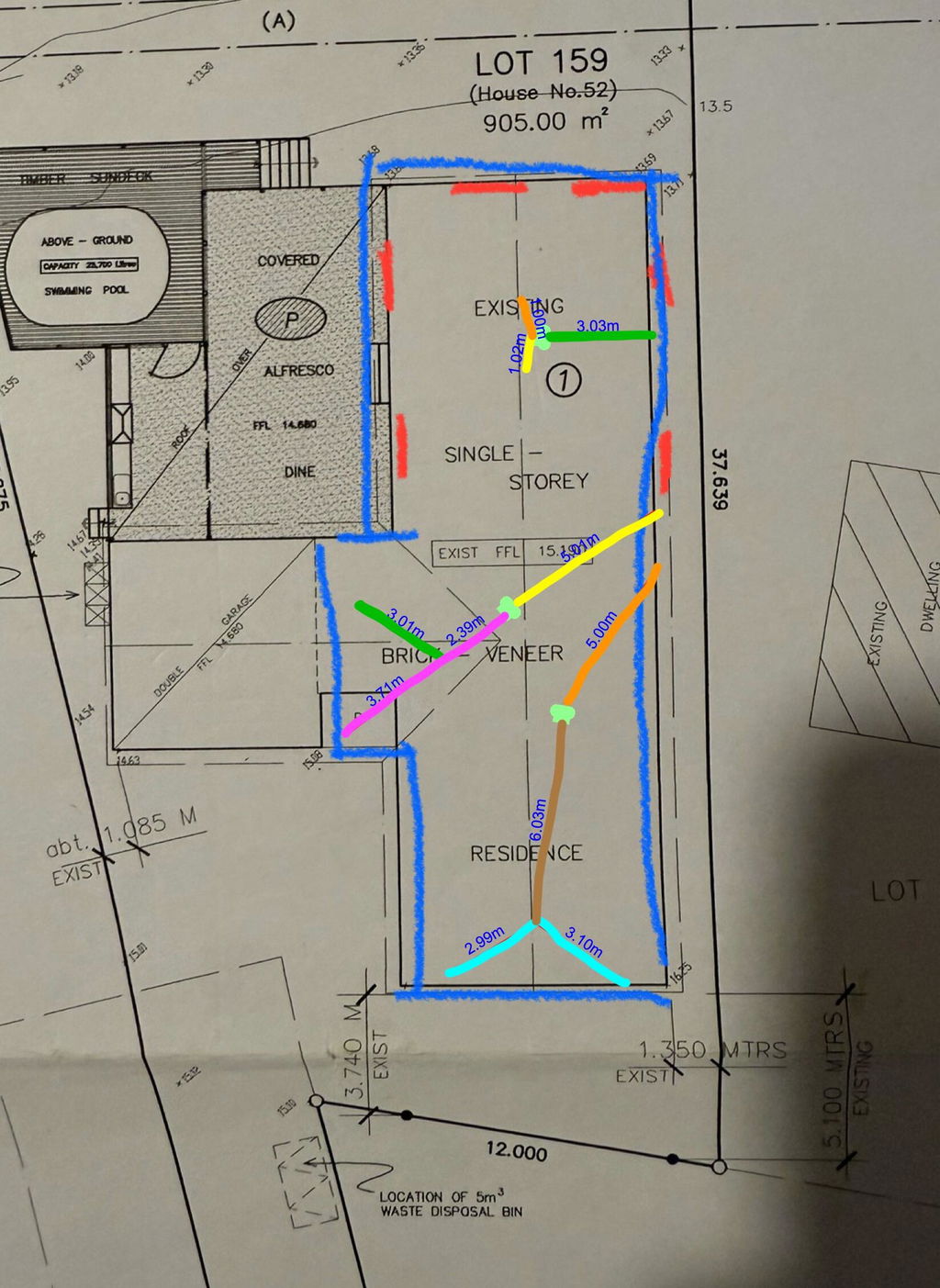
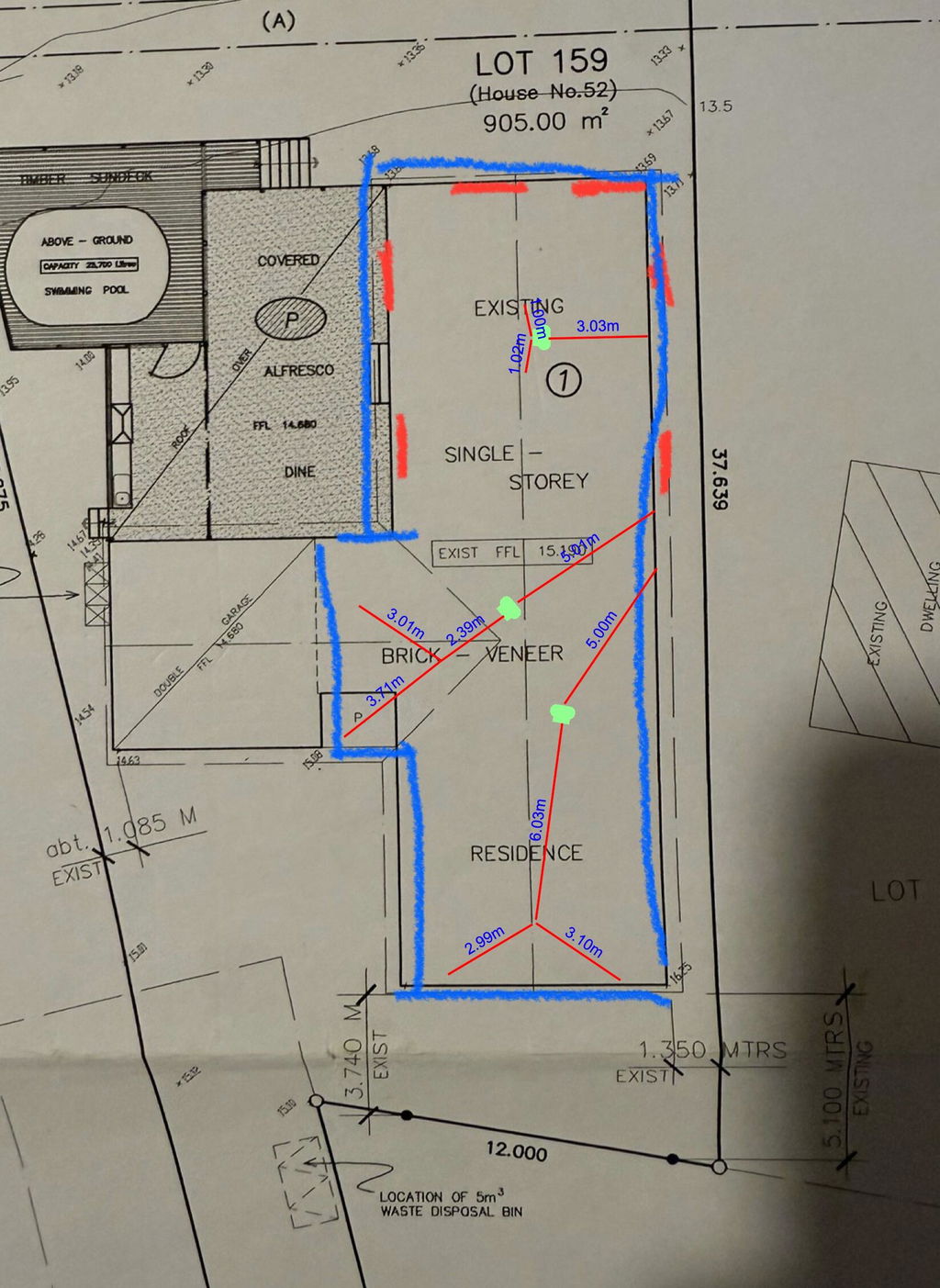
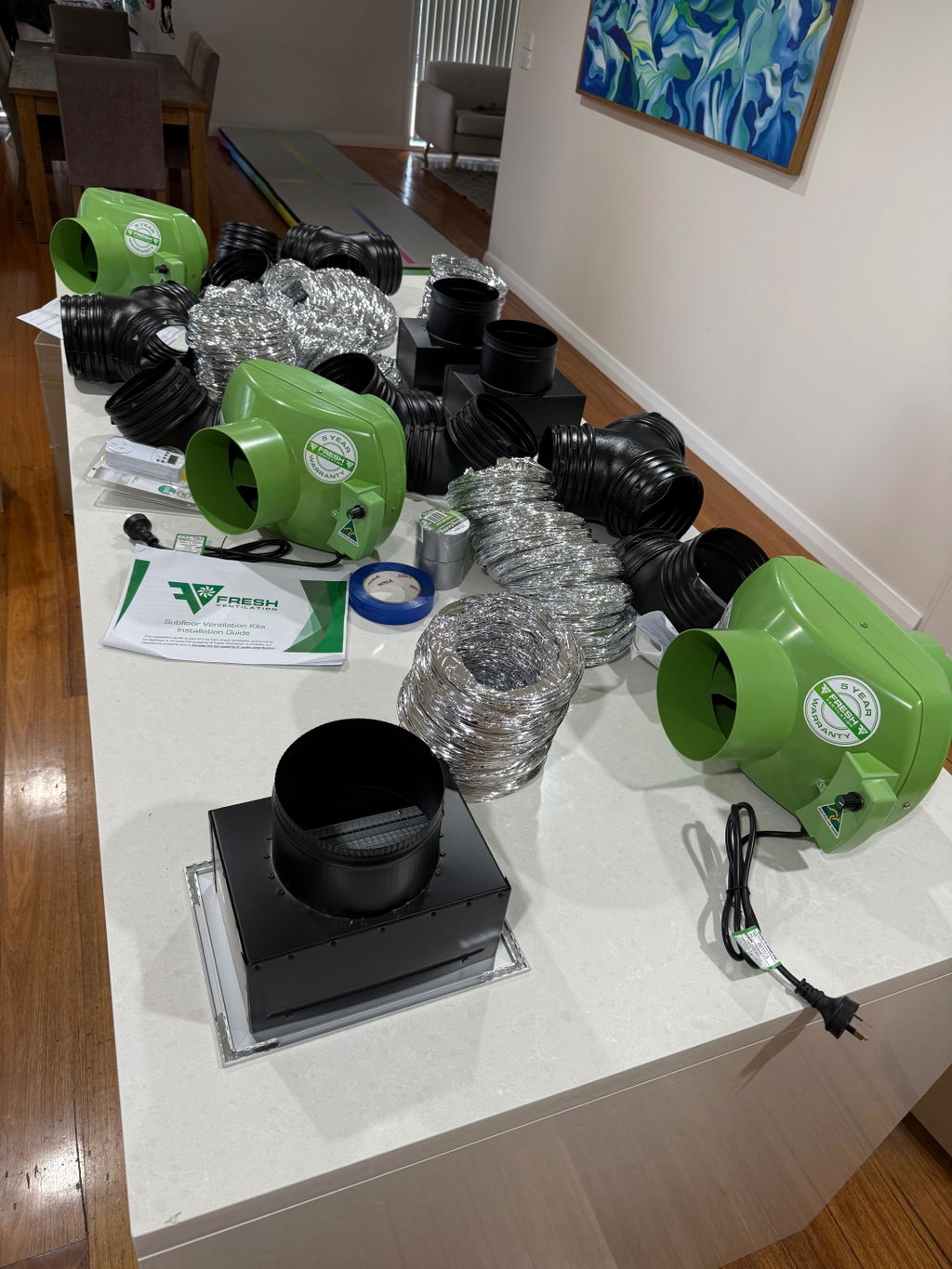
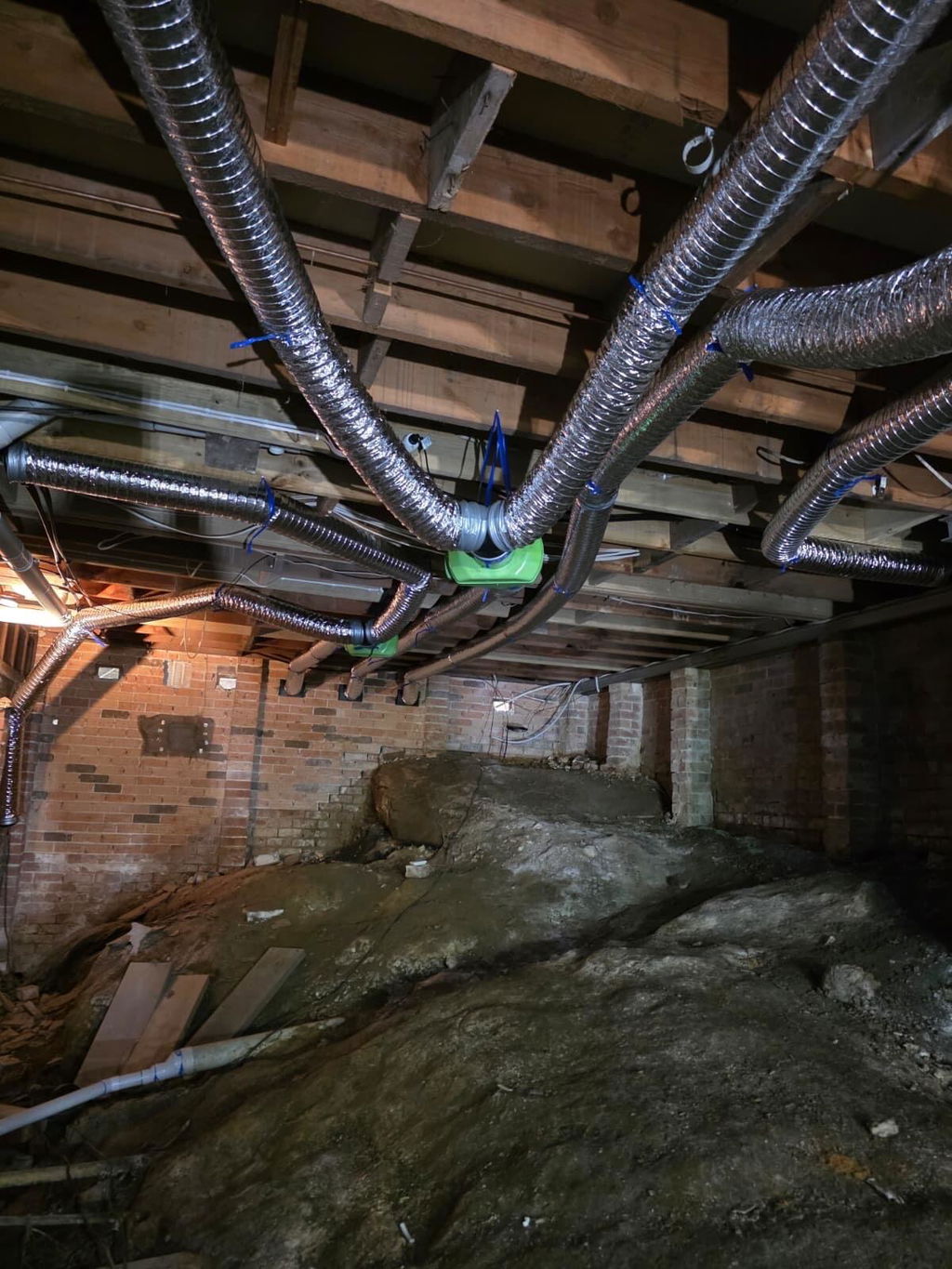
Since dealing with floods in 2022 we have had nothing but problems with damp, mould, mildew and mustiness. Ventilation under the house was poor. We waited until 2024 to rip up the bathroom floor of our 1850’s home and discovered the damp problem. Fresh came back to me within 1 day of explaining my issues, making a site visit and quoting. They explained the best way to tackle the problem giving professional and expert advice. We were booked in within 2 weeks . Looking forward to having our problem solved!! Thank you
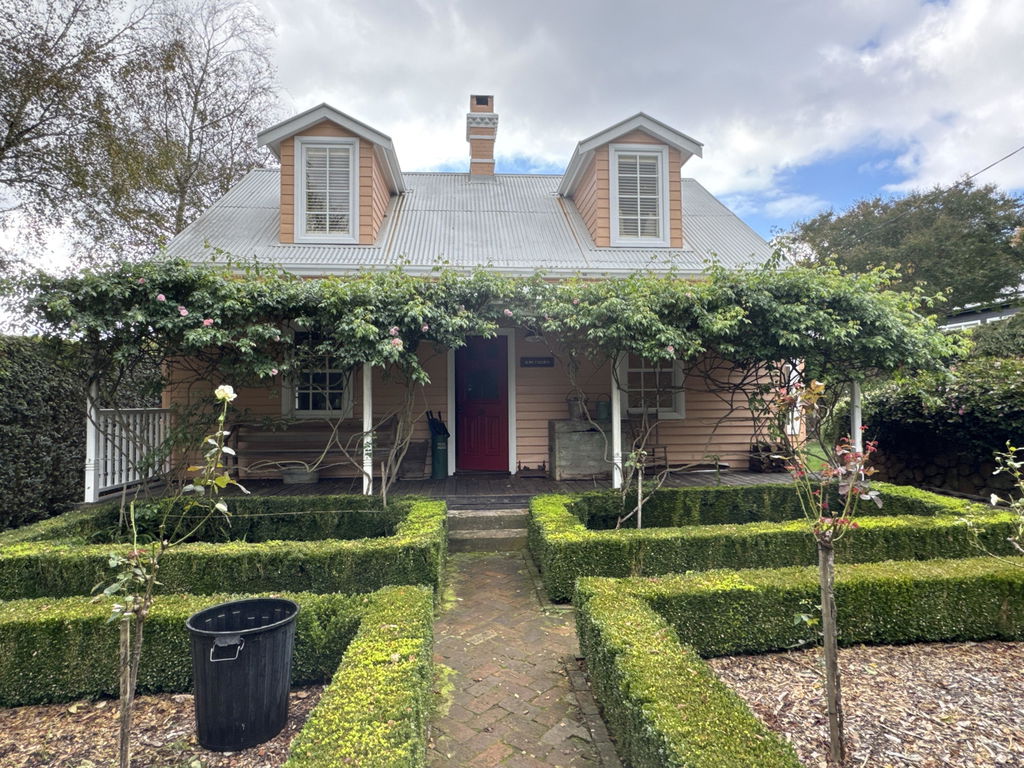
Thanks to the team at Fresh Ventilation, this product is in a word 'outstanding'. Super easy installation with support form the team for the layout. The equipment is exceptional quality and met my needs. I look forward to the 3 month mark to see how well the subfloor had dried.
Easy to purchase and prompt delivery. Very happy with the system I purchased and it works very well.
Easy to use, friendly customer service
Fan works really well, easy to install and have noticed a different in both the house and subfloor air quality.
Cam was great and very responsive to any questions regarding the installation.
Outstanding professional service. Communication with office and quoting process
very smooth and proficient.
Used Blauberg for many years, found EBM motors from fresh ventilation a month back, fans are superior quality and move so much more air and quieter than Blauberg
Great support from the team. Thanks.
From the initial quote through to installation, we received great service and communication from Fresh Ventilation.
Cameron was extremely knowledgeable and took the time to explain everything clearly and answer all my questions. The installation team were also polite, professional and considerate while working in our home.
The ventilation system is working really well and has been installed neatly.
Very glad we ended up choosing Fresh Ventilation.
Order was great! The team at Fresh Ventillation sell the best kits on the market, making our job easy as the installer. Will continue to buy from them, customer service is legendary!
The team from Fresh Ventilation were excellent in all aspects from start to finish. This is the third time that they have done an installation for me. And I have no hesitation into use them again.
Our first experience with Fresh Ventilation has been a quality experience. From start to receiving the goods in an amazing timeframe has helped us assist a customer with their sub-floor ventilation installation. Will definitely be utilising their services when needed again. Thanks to the Team at Fresh Ventilation.
Exceptional service and product, fast delivery. I couldn’t be more pleased
Were prompt and efficient to deal with and the installation team kept me informed of the date for installation. They just got on with it and needed little input from me as they had been properly briefed by the team that quoted the job. The installation is complete and now hope that it delivers on the expectation.
Perfect quality product, grille is a tight fit and will never have an issue falling out like some other products
Exactly what I required for the job I had. Quality was very good and fitted perfectly.
Fan is very good easy to install will order again
Great advice and service made diy install very easy.
Great company and great product. Excellent, professional service from start to finish. Installers were very good, kept me informed and went to great lengths to tidy up afterwords. Highly recommend.
Great products and service keep up good Aussie products
Very good