

Available for pickup
Usually ready in 2 hours
Available for pickup
Usually ready in 2 hours
Unit 1, 3-7 Frankland Street
Mittagong NSW 2575
Australia
+61248799750
Out of stock
Usually ready in 2 hours
Unit 7, 3-7 Frankland Street
Mittagong NSW 2575
Australia
+61248799750


Australian Made Centrifugal Fans with German Made ebm-papst AC Motors


Components

AC Centrifugal Fan
This is the inline fan motor. Depending on its orientation, it can either extract stale air or supply fresh air. To reduce noise and protect the structure, the fan is suspended on durable hanging straps, preventing vibration from transferring into the building. The fan housing is proudly moulded in Australia to meet local quality and compliance standards, while the high-performance German-made motor delivers reliable, quiet operation and long-term efficiency.

Single Speed
AC motors operate at a single fixed speed, running at their most efficient operating point. Where variable speed control is required, our EC centrifugal fans are recommended, as they feature a 0 – 10V variable speed potentiometer for precise adjustment to suit the application.

3-Pin Australian Plug and Lead
All of our centrifugal fans are supplied with a 3-pin Australian plug and lead, including a safety earth. While our fans are independently tested and certified for Australian electrical safety compliance and carry the Regulatory Compliance Mark (RCM), each individual unit is also tested and tagged at the time of dispatch to ensure it is safe and in full working order on arrival.
Fan Profiles

Low Profile
Low Profile fans are available exclusively in the 150mm size and are designed specifically for installations where space is at a premium. With one of the shallowest profiles of any 150mm inline fan on the market, their reduced overall height makes them ideal for shallow ceiling cavities, bulkheads, subfloors, and other locations where access height is limited.
Despite their compact form, Low Profile fans do not suffer a reduction in performance. Our Low Profile fan housing features an updated internal design with improved air deflection fins, optimising airflow through the unit. This refined airflow path not only maintains performance comparable to standard inline fans, but also results in marginally lower noise levels, as the improved fins generate less air turbulence.
To achieve this compact form factor, Low Profile fans feature an oval housing rather than a traditional round body. The casing measures 340mm in width and just 217mm in height, allowing the fan to fit comfortably into tight spaces where standard inline fans may not be suitable, while still delivering effective airflow performance for residential and commercial applications.

Normal Profile
Normal Profile fans are available in 200mm, 250mm, and 300mm sizes and represent a more traditional inline fan configuration. Their larger physical size and conventional layout make them well suited to installations where space is less restricted and higher airflow requirements are needed.
Normal Profile fans feature a round housing design, providing smooth, consistent airflow and straightforward installation with flexible ductwork. The 250mm Normal Profile fan housing is our newest design and incorporates the same updated internal air deflection fins used in the 150mm Low Profile fan. These improved fins optimise airflow through the fan while reducing turbulence, resulting in efficient performance and marginally lower noise levels.
Normal Profile fans utilise proven housing designs that prioritise reliable airflow and long-term durability, making the range a versatile choice for a wide variety of residential and commercial ventilation applications.
R2E190 Motor Specifications
Available in 150mm and 200mm Fan Housings
Specifications
The R2E190 AC motor from ebm-papst Germany is used in our 150mm and 200mm centrifugal inline fan range. The R2E190 is a proven choice for residential and light commercial ventilation applications, drawing on ebm-papst’s internationally recognised expertise in quiet, energy-efficient, and highly reliable motor technology.
Designed for efficient, continuous operation, the R2E190 delivers strong airflow with low power consumption and minimal noise. At full speed, it operates significantly quieter than many comparable AC motors. For further context on decibel ratings and how they translate to real-world noise perception, please refer to the FAQ section below.
Key specifications and features of the R2E190 motor include:
• Approximate airflow of 540 m³/h
• Power consumption of just 48 W
• Breakout sound pressure level of 37 dB(A)
• IP44 protection rating
• 5-year warranty for long-term peace of mind
Each R2E190 motor is installed in a custom Australian-made centrifugal fan housing designed to support consistent airflow and protect the motor in demanding local conditions. The motor and fan assembly is independently tested, certified for Australian electrical safety compliance, and carries the Regulatory Compliance Mark (RCM).
150mm Centrifugal Fan
200mm Centrifugal Fan


R2E220 Motor Specifications
Available in 200mm and 250mm Fan Housings
200mm Centrifugal Fan
250mm Centrifugal Fan


R2E225 Motor Specifications
Available in 250mm and 300mm Fan Housings
Specifications
The R2E225 AC motor from ebm-papst Germany is used in our 250mm and 300mm centrifugal inline fan range. The R2E225 is a proven choice for residential and commercial ventilation applications, drawing on ebm-papst’s internationally recognised expertise in quiet, energy-efficient, and highly reliable motor technology.
Designed for efficient, continuous operation, the R2E225 delivers strong airflow with low power consumption and minimal noise. At full speed, it operates significantly quieter than many comparable AC motors. For further context on decibel ratings and how they translate to real-world noise perception, please refer to the FAQ section below.
Key specifications and features of the R2E225 motor include:
• Approximate airflow of 1,195 m³/h
• Power consumption of just 130 W
• Breakout sound pressure level of 45 dB(A)
• IP44 protection rating
• 5-year warranty for long-term peace of mind
Each R2E225 motor is installed in a custom Australian-made centrifugal fan housing designed to support consistent airflow and protect the motor in demanding local conditions. The motor and fan assembly is independently tested, certified for Australian electrical safety compliance, and carries the Regulatory Compliance Mark (RCM).
250mm Centrifugal Fan
300mm Centrifugal Fan


R2E280 Motor Specifications
Available in 300mm Fan Housings
300mm Centrifugal Fan


150mm Fan Housing Dimensions
Available with R2E190 Motors
Dimensions
- 340mm width (A).
- 217mm height (H).
- 310mm length (G).
- 150mm duct diameter (B).

200mm Fan Housing Dimensions
Available with R2E190 and R2E220 Motors

250mm Fan Housing Dimensions
Available with R2E220 and R2E225 Motors
Dimensions
- 325mm width (A).
- 325mm height (H).
- 308mm length (G).
- 250mm duct diameter (B).

300mm Fan Housing Dimensions
Available with R2E225 and R2E280 Motors

FAQ
Choosing the right inline fan is critical to achieving reliable airflow, managing moisture, and ensuring your ventilation system performs as intended over the long term. Inline fans are not a one-size-fits-all solution, and real-world performance depends heavily on selecting the correct fan type, understanding pressure requirements, using quality components, and ensuring proper installation.
This FAQ section has been created to answer the most common questions we receive about inline fans, including fan selection, airflow and pressure performance, noise levels, energy efficiency, installation considerations, and ongoing operation. It also explains why centrifugal inline fans significantly outperform axial and mixed-flow fans in ducted applications, and how higher-quality components contribute to quieter, more effective ventilation.
Drawing on over 15 years of real-world installation experience across Australian homes, these answers are designed to help you make informed decisions and better understand how an inline fan should perform once installed — not just on paper. Whether you are selecting a fan for a new installation or comparing different fan types, this section will help clarify what matters, what doesn’t, and how to achieve reliable, long-term results.
If you have a question that isn’t covered here, our team is always available to provide personalised advice based on your application, duct layout, and performance requirements.
An electronically commutated (EC) motor operates from a standard alternating current (AC) power supply but, in design and operation, closely resembles a direct current (DC) motor. It is essentially a brushless, permanent-magnet DC motor with integrated electronic control built directly into the motor housing. This allows EC motors to combine the simplicity and robustness of AC motors with the efficiency, controllability, and smooth operation of DC motors — placing them in a category of their own.
By using this technology, EC fans achieve exceptionally high efficiency, particularly at part-load operation, where traditional motors perform poorly. Lower energy consumption, reduced heat generation, and smoother operation contribute to lower running costs and a longer service life, allowing EC motors to effectively pay for themselves over time. They also provide a range of operational advantages that are often overlooked in basic specifications.
EC motors generate their magnetic fields using permanent magnets in the rotor and electrically energised windings in the stator, similar to a brushed DC motor. However, instead of relying on mechanical brushes for commutation, EC motors use electronic commutation. This is made possible by on-board electronics integrated within the motor itself.
These electronics include a rectifier that converts the incoming AC supply into DC power. An integrated controller then precisely regulates the timing, direction, and magnitude of current delivered to each stator winding. Hall effect sensors continuously monitor the position of the rotor magnets, allowing the controller to energise the correct windings at exactly the right moment.
This electronically controlled sequence of magnetic attraction and repulsion produces smooth, efficient rotation with optimal torque at all speeds. Because the entire process is managed electronically, EC motors allow for precise speed control, continuous performance monitoring, and highly efficient operation across the full operating range — making them ideal for high-performance, low-noise ventilation systems.
AC motors are a cost-effective option that still deliver excellent ventilation performance. They are well suited to ducted systems, operate quietly, and are capable of moving large volumes of air efficiently. AC motors run at a single fixed speed, which is typically the point at which they operate most efficiently. This makes them a reliable, straightforward solution where consistent airflow is required.
EC motors build on this performance by offering advanced control and efficiency across a wider operating range. In real-world use, EC motors are capable of higher airflow, smoother fan rotation, and significantly quieter operation — particularly when run at reduced speeds. At lower fan speeds, EC motors can operate almost silently while consuming very little power, making them ideal for noise-sensitive installations or applications requiring longer daily run times.
Because EC motors feature fully adjustable speed control, airflow can be precisely matched to the size, layout, and moisture conditions of the installation. Unlike traditional motors, EC motors remain highly efficient at all speeds, not just at full output. This results in lower energy consumption, reduced wear on components, and greater long-term flexibility if ventilation requirements change over time.
In summary, AC motors offer excellent value and proven performance, while EC motors provide superior efficiency, control, and ultra-quiet operation for high-performance and future-proof ventilation systems.
Energy Efficiency
EC motor efficiency commonly exceeds 90%, allowing EC centrifugal fans to use up to 70% less energy than conventional AC fan systems. Because power consumption drops rapidly as speed is reduced, running an EC fan at around 80% speed can deliver close to a 50% reduction in energy use, while still maintaining effective airflow. This makes EC fans ideal for continuous or long-duration operation without high running costs.
Ease of Control
EC motors continuously monitor their own operating conditions and automatically adjust power input to maintain high efficiency across the entire speed range. Unlike traditional motors, which are only efficient at one operating point, EC motors remain highly efficient even at very low speeds. Many EC motors can be reduced to around 20% of full speed while still maintaining efficiencies of approximately 85%. Speed control is achieved via simple 0–10 V signals from timers, sensors, or controllers, eliminating the need for complex and inefficient variable frequency drives.
Versatility and Performance
EC motors are capable of operating beyond their nominal rated speeds when required, allowing higher airflow to be achieved from a smaller fan assembly. This enables more compact, flexible system designs without compromising performance. The combination of variable speed control, high efficiency, and compact power density makes EC motors exceptionally well suited to modern ventilation systems where quiet operation, energy efficiency, and adaptable airflow are critical.
Our Low Profile fan housing is specifically designed for installations where access height is limited. With an oval profile measuring 340 mm wide and just 217 mm high, it offers a significantly smaller footprint than standard housings, making it ideal for shallow or restricted spaces without compromising performance.
The latest Low Profile design incorporates updated internal air deflection fins, engineered to guide airflow more smoothly through the housing. These improvements reduce internal turbulence, resulting in marginally higher airflow and slightly lower noise levels compared to the previous Normal Profile version.
By combining a compact form factor with refined internal aerodynamics, the Low Profile fan housing delivers efficient, quiet operation in installations where space constraints would otherwise limit fan selection. This makes it a reliable solution for achieving effective ventilation in low-clearance environments.
AC motors are single speed motors. They run at 100% all the time.
Our AC centrifugal fans are designed to operate very quietly in real-world installations.
It’s important to understand that decibel ratings on their own can be misleading. Noise figures are typically measured in controlled test conditions and do not account for factors such as ducting, fan suspension, building structure, or installation method. In practice, the perceived noise of a fan is influenced far more by how it is installed than by a single published dB figure.
In real installations, our AC fans are suspended using anti-vibration straps and connected to ducting on both the inlet and outlet sides. This significantly reduces structure-borne noise and attenuates airflow noise, resulting in very low perceived sound levels inside and outside the home during operation.
While AC motors operate at a fixed speed, they are engineered to run at an efficient and stable operating point. The combination of centrifugal fan design, proper ducting, and vibration isolation ensures quiet, consistent performance without the tonal motor noise often associated with lower-quality fans.
In short, our AC centrifugal fans deliver reliable airflow with impressively low noise levels, making them a proven and effective solution where simple, quiet, fixed-speed ventilation is required.
Decibel ratings are often misunderstood and, in many cases, misused. On their own, dB figures rarely reflect how loud a fan will actually sound once installed in a real building. Unfortunately, some manufacturers take advantage of this by publishing selectively measured or unrealistic noise figures that do not represent real-world performance. Some manufacturers are simply dishonest. Please see our Instagram post HERE and our Instagram video HERE for a good explanation of the issue.
Firstly, decibel ratings are typically measured under laboratory conditions that bear little resemblance to an installed environment. Measurements may be taken at unrealistic distances, at reduced fan speeds, without ducting attached, or in free-air test rigs. This makes it very easy to publish an impressive number that does not translate to real installations in homes.
Secondly, not all noise is perceived equally. The frequency of the sound (its pitch) is often far more important than the overall decibel level. Many fans with low published dB ratings produce a noticeable high-frequency motor “whine”. This type of noise travels easily through building materials and is particularly intrusive to occupants. By contrast, our centrifugal fans predominantly generate airflow noise rather than motor noise. Once installed, airflow noise is largely attenuated by ducting on either side of the fan, while motor whine continues to transmit through structures.
Thirdly, decibel scales are logarithmic, not linear. A small numerical difference in dB can represent a significant perceived difference in loudness, yet manufacturers often quote figures without context or explanation. This makes side-by-side comparisons meaningless unless the test methods are identical and independently verified.
We have been installing ventilation systems for over 15 years and have tested virtually every fan available on the market, including all major competing models. Based on extensive real-world installation experience, we are confident that our fans are quieter in installed conditions than any comparable models currently available.
Importantly, our decibel ratings have been independently tested in Australia by VIPAC Engineers & Scientists Ltd, providing credible, third-party verification rather than marketing-driven claims.
For a clear visual explanation of why published noise figures can be misleading, we recommend viewing our Instagram videos linked above, which break this issue down in simple, practical terms.
In summary, decibel ratings alone do not tell the full story. Installation method, operating speed, sound frequency, fan design, ducting, and vibration isolation all have a greater impact on perceived noise than a single dB number. This is why real-world performance and proven installation experience matter far more than headline specifications.
The fan motors are manufactured by ebm-papst in Germany.
Yes. All of our fan housings are custom injection moulded in Melbourne by Shale HVAC, exclusively for Fresh Ventilation. They are manufactured using high-quality, virgin ABS resin with a V0 fire retardant rating, providing excellent strength, durability, and fire performance.
Producing our fan housings locally allows us to maintain strict quality control, refine designs based on real-world installation feedback, and ensure the housings are suited to Australian conditions. The result is a robust, purpose-built housing that supports quiet operation, reliable airflow, and long-term performance in demanding environments.
Yes. Our fans have been independently tested and certified for Australian electrical safety compliance. They carry the Regulatory Compliance Mark (RCM), confirming they meet the relevant Australian Standards and are registered under the Electrical Equipment Safety System (EESS) for legal sale and safe use in Australia.
All testing and certification was conducted by VIPAC Engineers & Scientists Ltd, an accredited independent testing authority. This provides assurance that our fans meet strict Australian requirements for electrical safety, performance, and compliance, giving you confidence that the equipment is safe, reliable, and approved for use in Australian homes.
For residential electrical installations in Australia, fan motors are required to be manual restart as part of meeting safety expectations under the Regulatory Compliance Mark (RCM) framework.
In this context, manual restart refers to how a motor behaves when a fault is detected, such as overheating or internal electrical failure. A manual restart motor shuts down and remains off once a fault occurs. The motor must then be repaired or replaced before it can operate again. This behaviour is intentional and forms a critical safety mechanism, preventing continued operation of a faulty appliance.
By contrast, auto restart motors are designed to stop temporarily when a fault is detected and then automatically attempt to restart after a delay. If the underlying fault remains, the motor can repeatedly stop and restart. This fault-cycling behaviour significantly increases electrical stress and heat build-up and may cause a fire.
Australian residential electrical safety requirements are deliberately conservative in this regard. The expectation is that appliances installed in homes should not repeatedly re-energise themselves after a fault, as this presents an unacceptable fire risk.
Many fans available on the Australian market are nevertheless auto restart. This is largely because they are designed for overseas markets where this requirement does not exist. Australia represents a very small portion of the global fan market, and many manufacturers simply supply globally standard products that are compliant elsewhere but not appropriately configured for Australian residential use. In many cases, this distinction is not clearly disclosed.
Based on our understanding of the local market, we believe our fans are among the very few available in Australia that are genuinely manual restart, specifically selected and configured to meet Australian residential electrical compliance expectations under RCM.
This is not a marketing feature — it is a safety requirement. And it is one that is often overlooked.
The fan motors have a 5 year warranty.
AC motors have a protection rating of IP 44.
The Fresh Ventilation Difference


Fresh Ventilation gave us excellent service when we needed an in duct fan to draw conditioned (solar heated) air from our rooftop collector to pass through a heat bank wall and into the house. Following my enquiry they contacted us to determine exactly what our requirements are and then promptly recommended a suitable product and sent it to us. It's now been installed and is running silently and efficiently and doing exactly the job required.
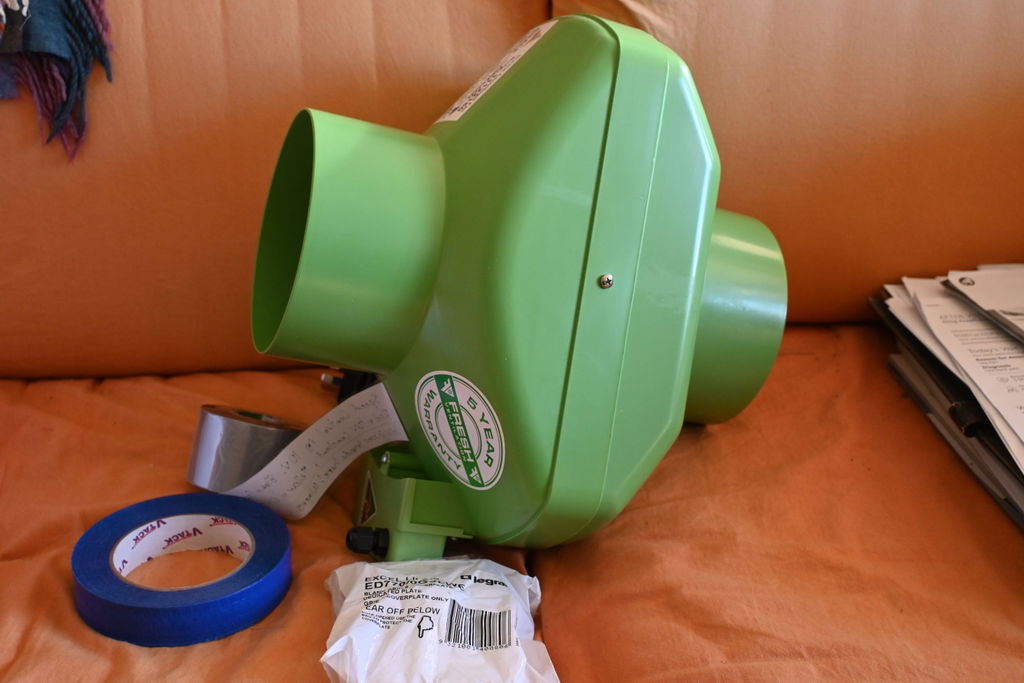
i replaced the previous unit which lasted 10 years! so it was easy to order, arrives quickly and was easy to replace the old one with the new one! Overall very happy anyone could do this it’s quite easy 👍🏻
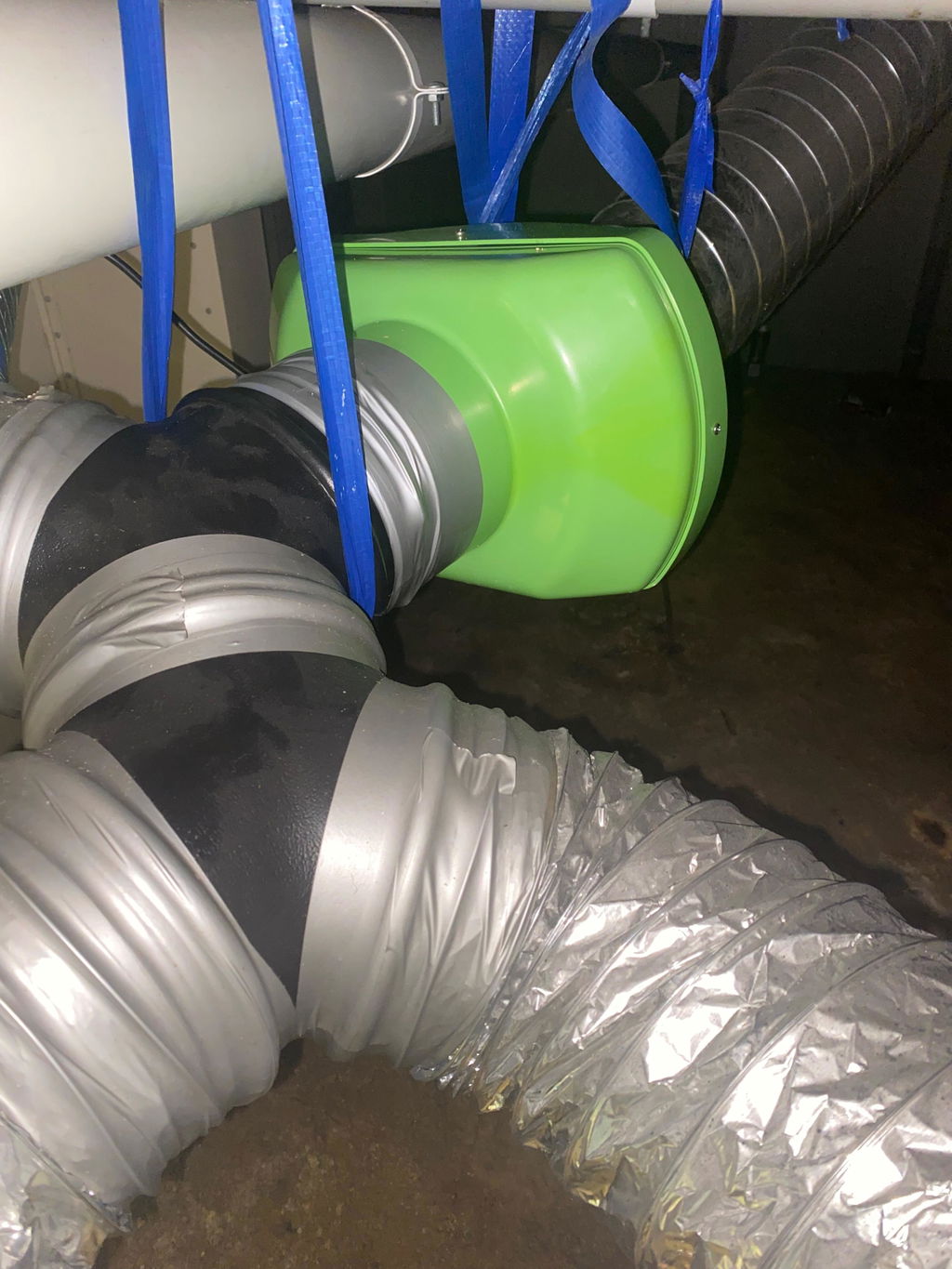
The best Australian made fans. I’ve been using them for 10 years.
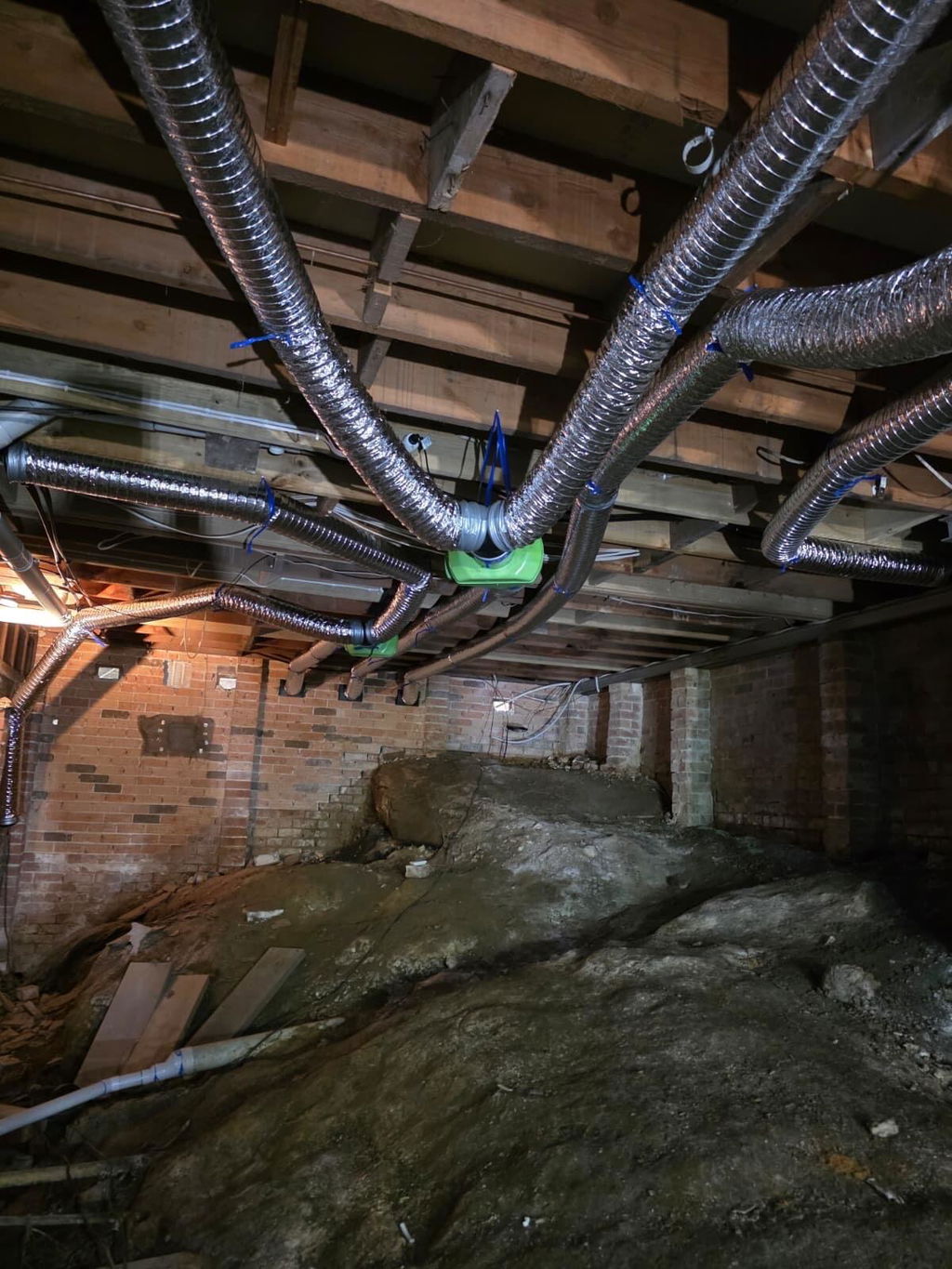
Thrilled with the system I purchased was an absolute pleasure to work with Cameron was very helpful with the whole process with my DIY installation was happy to answer all questions and supplied a detailed plan on layout of system. I would highly recommend these guys and there system it truly has done wonders already with noticeably better air quality within the house and subfloor thanks again to the whole team at fresh ventilation.
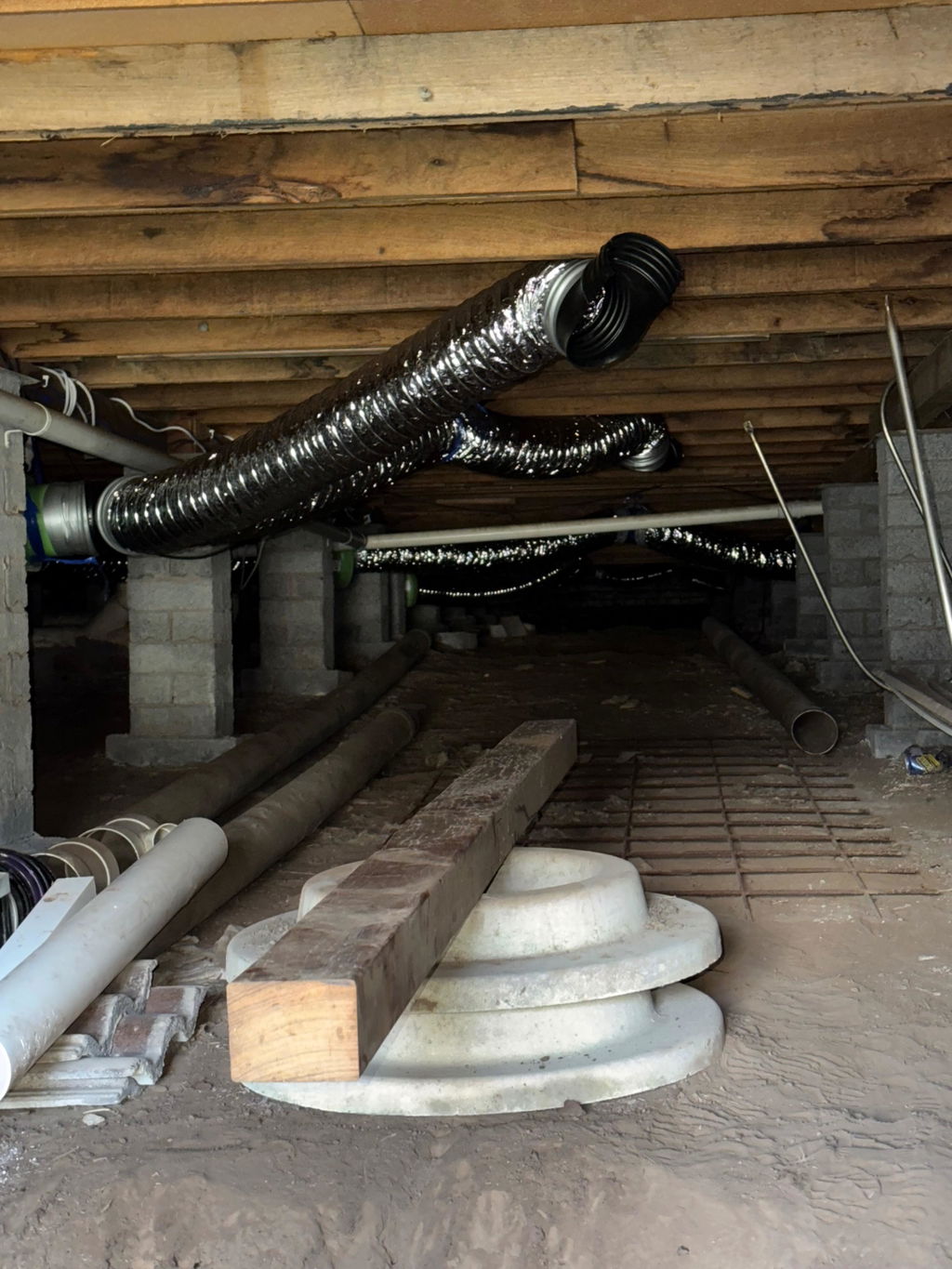
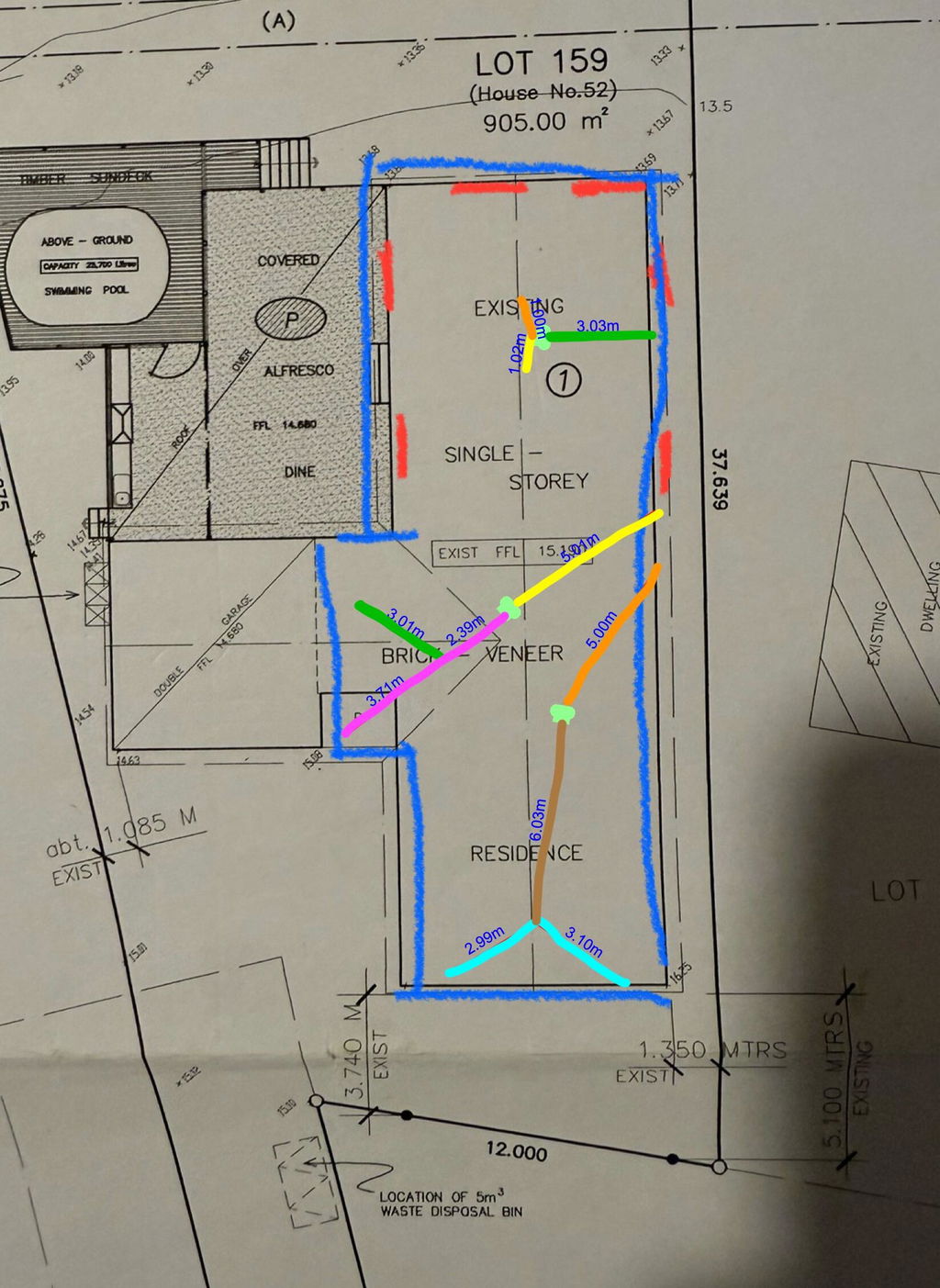
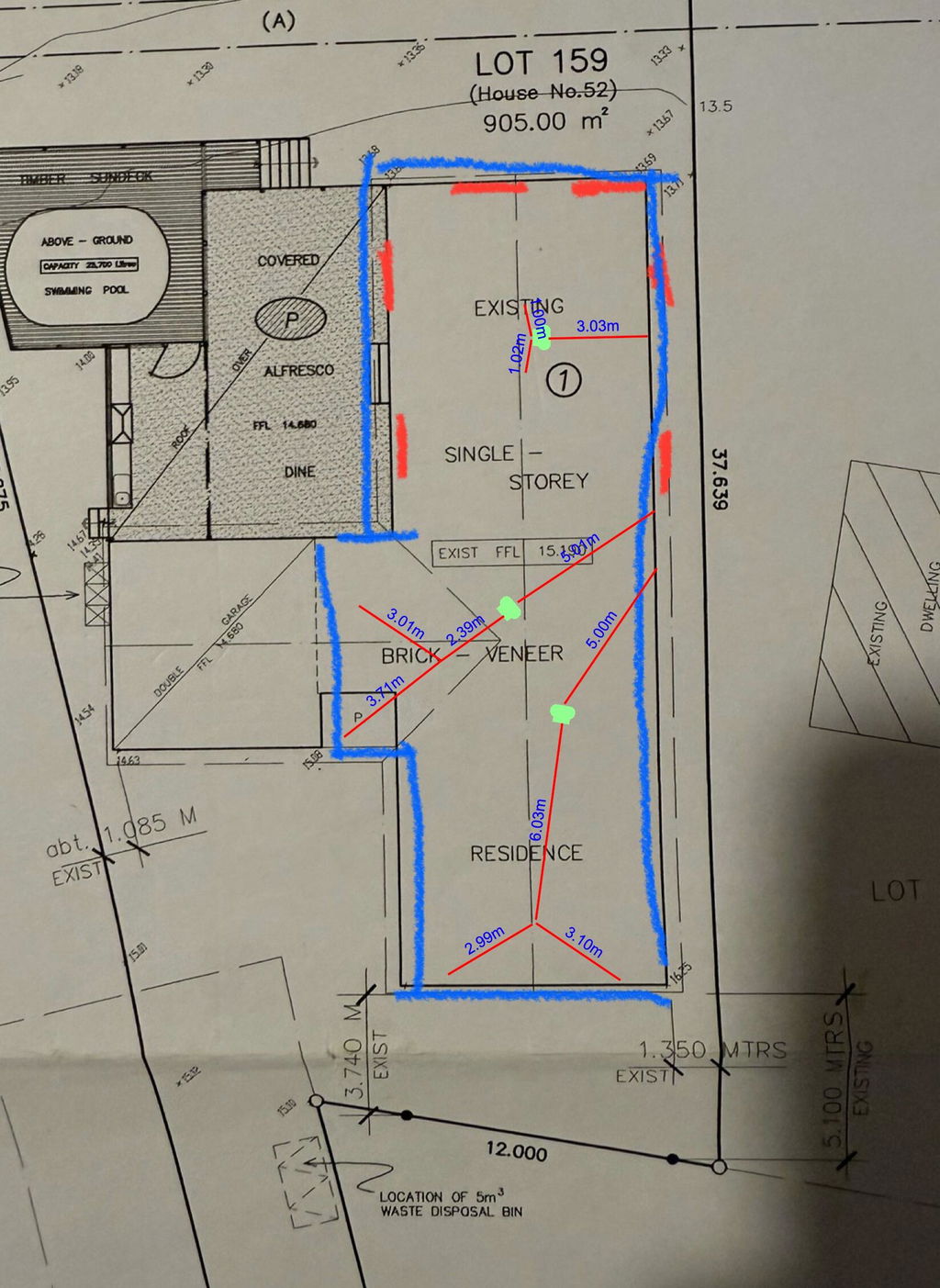
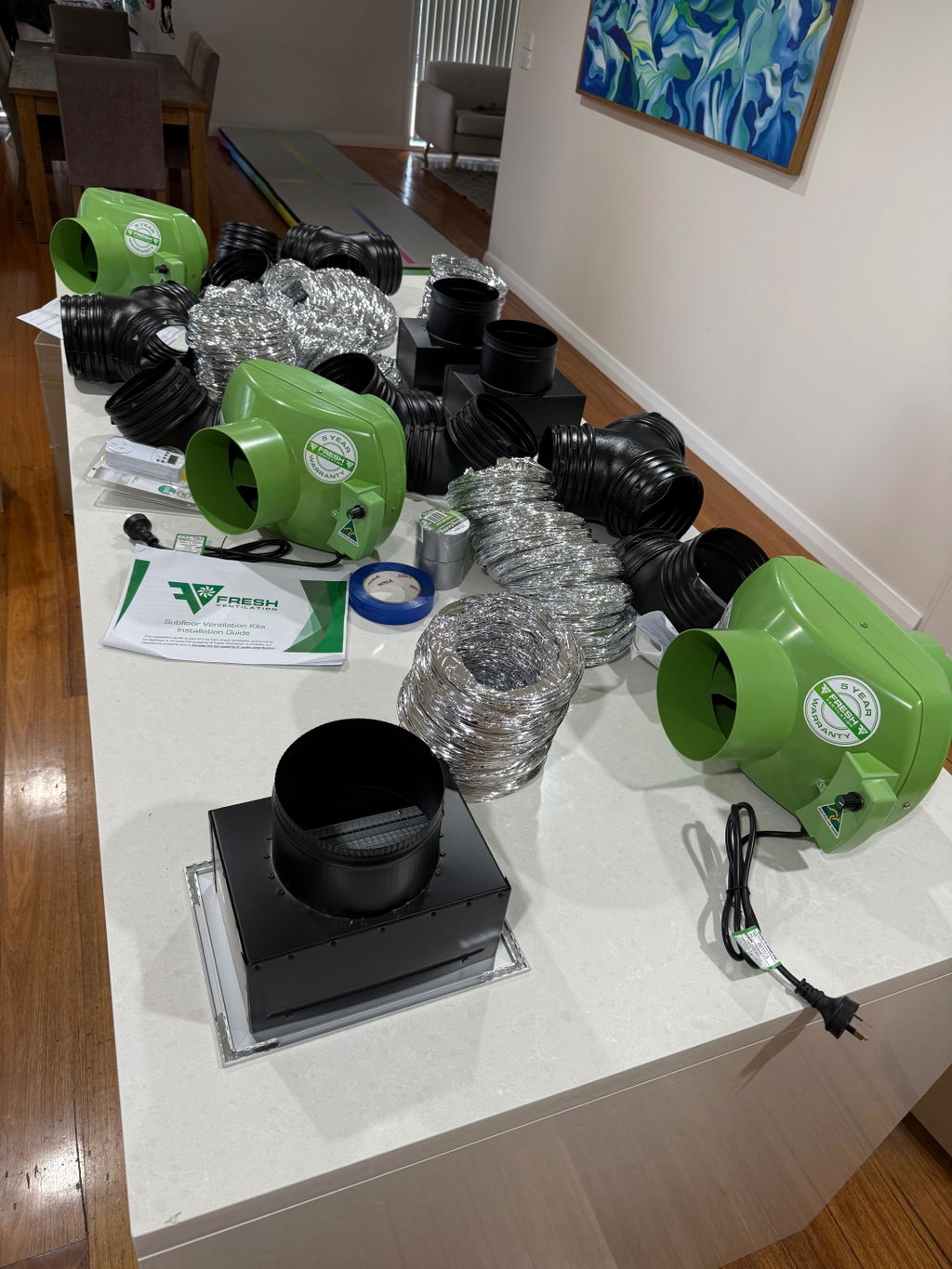
Fan works really well, easy to install and have noticed a different in both the house and subfloor air quality.
Cam was great and very responsive to any questions regarding the installation.
Simple transaction. Got exactly what was required in a timely manner.
The office lady was pleasant and very helpful, and importantly easy to understand. To confirm our needs she had someone speak to us too. The item was purchased, despatched that same day, and it arrived in Central Victoria two days later, and installed that night. Very prompt and efficient service. Thank you.
Used Blauberg for many years, found EBM motors from fresh ventilation a month back, fans are superior quality and move so much more air and quieter than Blauberg
DIY installed last week in a dual fan kit which was ready for collection in morning of same day as advertised. Comprehensive installation instructions and I was encouraged to take advantage of free included layout plan to suit my house requirements which also came very quickly. Kit discounts have been applied to my subsequent purchases of additional vents. All installs easily and works well as expected. Thank you.
Service levels were second to none. Cameron was super helpful looking up my property remotely to understand its layout and features and gave great advice accordingly!
Great product, great service and knowledgeable about all applications
Great to finally remove the noise of our ventilation fan servicing 4 wet areas in our apartment. This product not only removed the noise but improved the airflow. Definitely worth the investment
Excellent customer service and efficient postage. The unit is very easy to install and Fresh Ventilation provide everything you need for the installation. The fan unit itself is virtually unnoticeable and has excellent extraction power.
Had the exhaust installed about a week ago and it’s been great! We had a 10 minute timer installed but we don’t even need it, as soon as we turn off the shower, there’s no steam. It’s not a loud fan either.
We DIY installed a Fresh Ventilation subfloor ventilation kit (3 low-profile AC fans) a week ago, and honestly, it was such an easy process. Everything we needed was in the kit—no extra runs to Bunnings, which was a huge win. The setup was quick, and the instructions were super easy to follow. Don’t skip the instructions—if you follow them, you’ll have no trouble getting the fans up and running.
As for the fans, they’re super quiet—you barely notice they’re on, even at night.
Cam and Nell offer fantastic support. Our order was packed, shipped, and delivered to us within 3 days, and we’re on the Mid North Coast!
The system has made a huge difference. We’ve had way less condensation in the house within just 3 days of installation. The air feels fresher overall, and the musty smell in our troublesome rooms is gone. Great value for money and totally worth it!
"Highly recommend, and we're already looking at the bathroom kits to replace the crappy 3-in-1s
It’s an absolute crack of a unit.
Extremely quiet
The team at fresh ventilation were very approachable and always happy to answer any queries and provide advice.
Shipment and delivery was prompt and seamless
Very good product, would recommend it
Simple to install. Quiet. High quality manufacturing and quality control
Quick delivery, great range of products
I love that there’s no motor sound - just the quiet whoosh !
I had to leave a review... excellent advice over the phone ......... very prompt service and delivery ... top notch product .!!.. rare these days .
Right product, on time and great advice!
Great product, worked excellent for my clients steam problem in their bathroom
We recently purchased a cheaper 'Blue' fan from another company and it was so noisy that we can no longer use it as it's very disruptive. Fresh Ventilation's motor is quiet and more powerful - a much better product! I only wish I had not wasted money on the blue motor - it's cheap and nasty. We got great support with the set up. Thank you.
Excellent product couldn’t ask for better
Ordering was easy and communications about order were clear and I was kept informed. Delivery was prompt and I got my order within 2 days or ordering (I ordered on the weekend). DIY Installation was simple, side from access issues which have nothing to do with the product. Extremely happy overall. Would happily order again.